
Role
Team-Lead
Type
Contextual Research
Year
2026
Stack
 Claude Code
 Next.js
 Vercel
 Miro
Miro
Overview
Ten weeks, one question
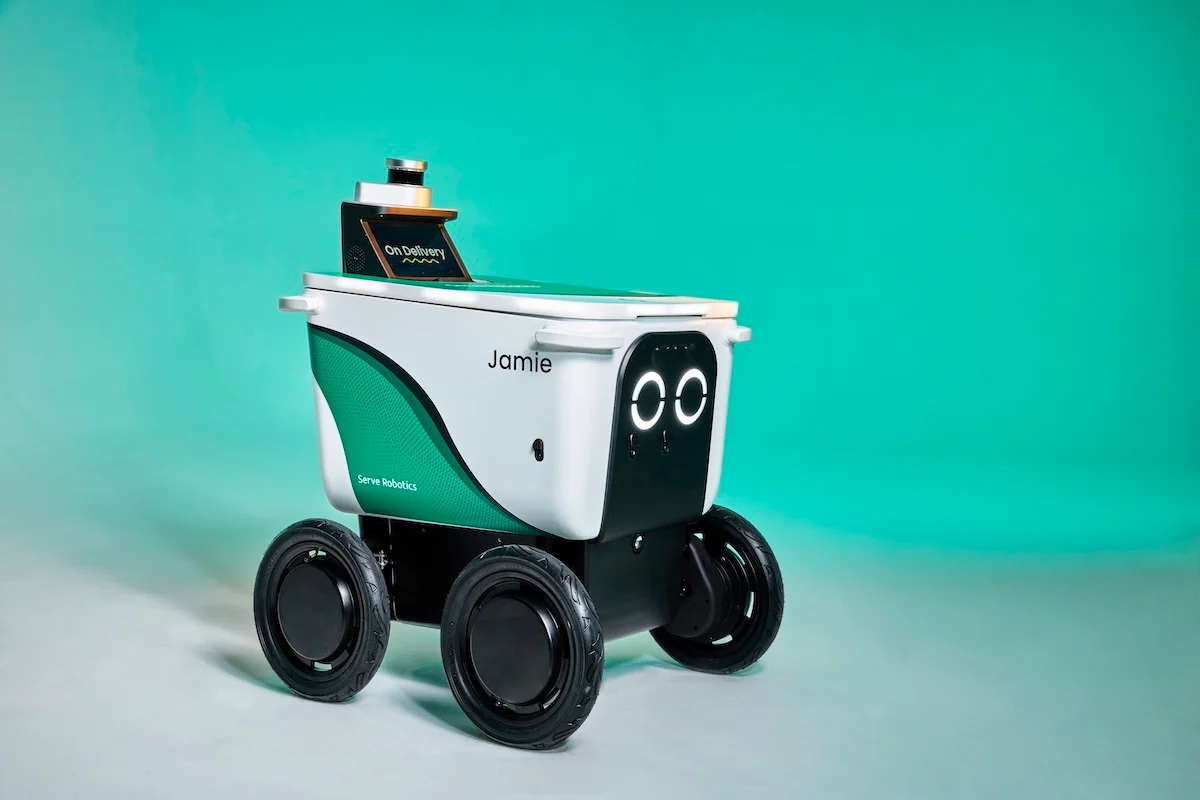
We investigated the conditions that are shaping robotic food delivery in the United States, using Uber Eats and its Serve Robotics partnership as the case. The central question: what does it take for a robotic last-mile experience to be adopted with confidence by users, human couriers and restaurants?
As Team-Lead I owned the engagement end-to-end: research planning, fieldwork distribution, synthesis sessions, quality control on the final deliverable, and the decision to move the deliverable from a static PDF to an interactive web client book.
The work moved through five macro phases: research planning, contextual fieldwork and cultural probes, affinity diagram and synthesis, an Ideal Experience Framework, and finally recommendations for Uber Eats.
The full depth lives in the interactive client book further down. That includes the methodology, synthesised transcripts, the complete framework, user quotes and the recommendations. This page is the map.
Phase 01 · Framing
A one-page synthesis of the problem space
View the initial project infographic
Before stepping into the field I synthesised the state of the art into a one-page infographic: the growing market, the friction points of the system (dispatch → hand-off → pick-up), the last-meter constraints (curb, weather, elevator dependency), and the emotional perception of the user (trust first, empathy switch, desirability gap, sustainability). This piece fixed the problem before fieldwork and guided every research route that followed.
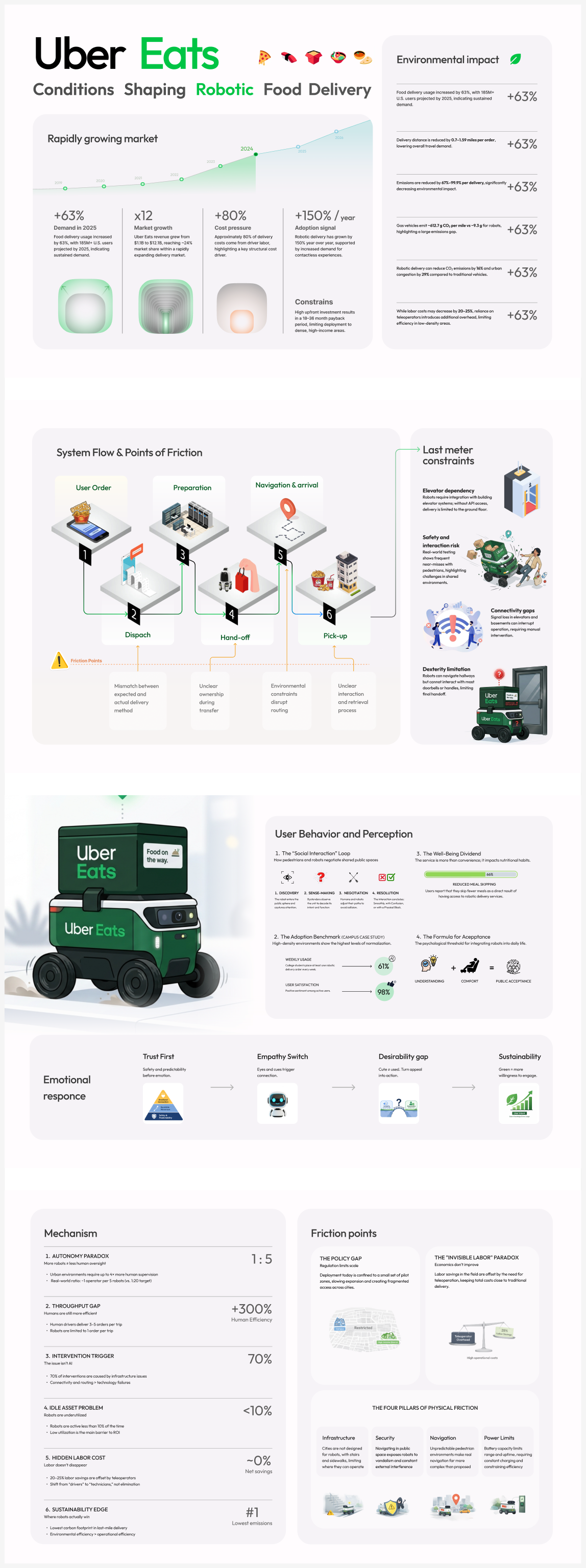
- Rapidly growing market, shown through robot counts, cost-savings and dispatch signals.
- Environmental impact, reaching +63% across several savings and emissions metrics.
- System flow & friction points, from User Order → Preparation → Navigation & arrival, with dispatch / hand-off / pick-up gaps.
- Last-meter constraints, including elevator dependency, safety & interactions, connectivity gaps, electricity & isolation.
- User behaviour & perception, spanning the trust loop, bad-delivery context, sensitivity bandwidth, thresholds for acceptance.
- Emotional response, covering trust first, empathy switch, desirability gap, sustainability.
- Mechanism & friction, including the autonomy paradox, throughput gap, intervention trigger, jolly debt problem, hidden labour cost, sustainability tease, The Topology Gap, The Invisible Labor Paradox.
Phase 02 · Methodology
A multi-method research system
The engagement combined six complementary research methods, each addressing a different layer of the problem, from desk-level market context to in-context behaviour. Quality was protected by triangulating every insight across at least two methods before it earned a place in the synthesis. The synthesis produced 7 personas and 7 opportunities.
Full protocols, transcripts and participant profiles live in the web client book below.
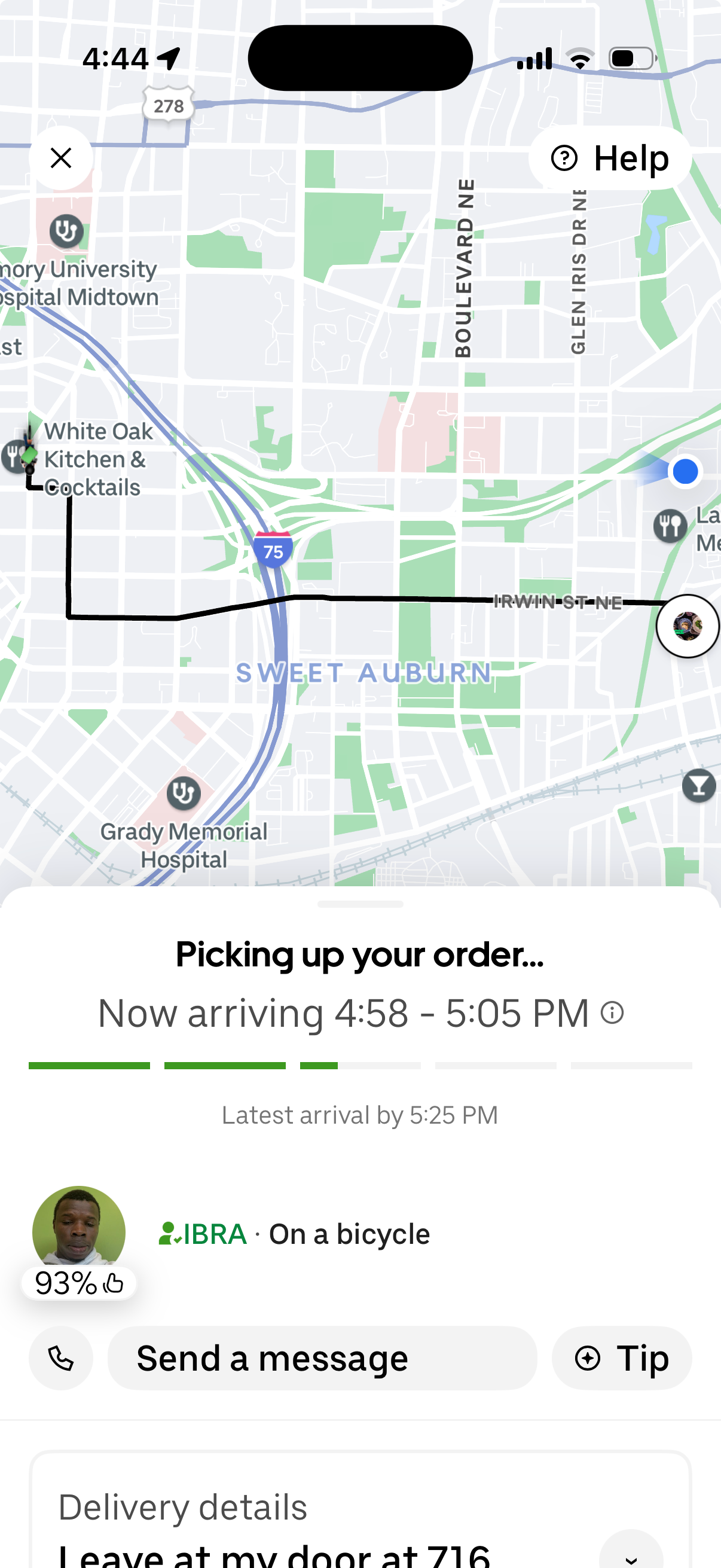
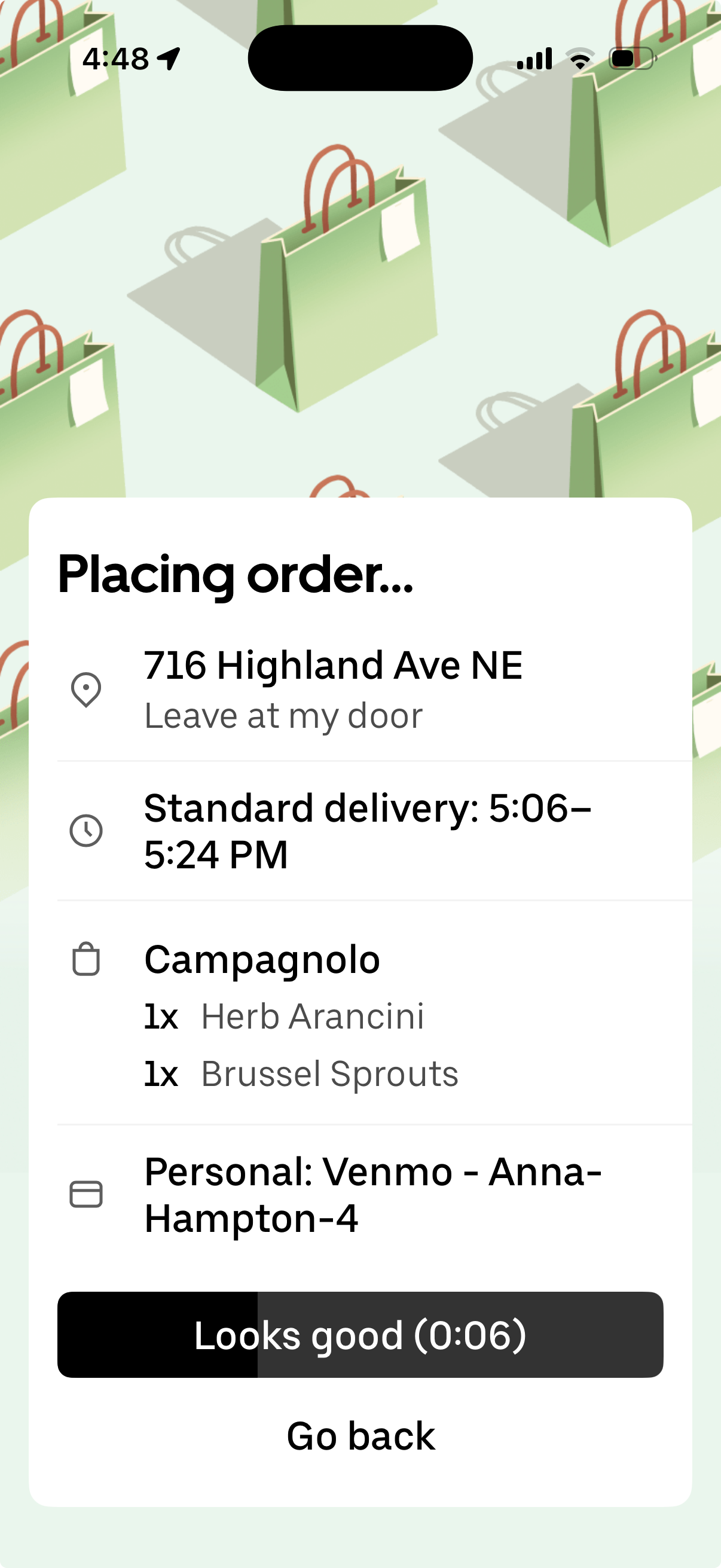
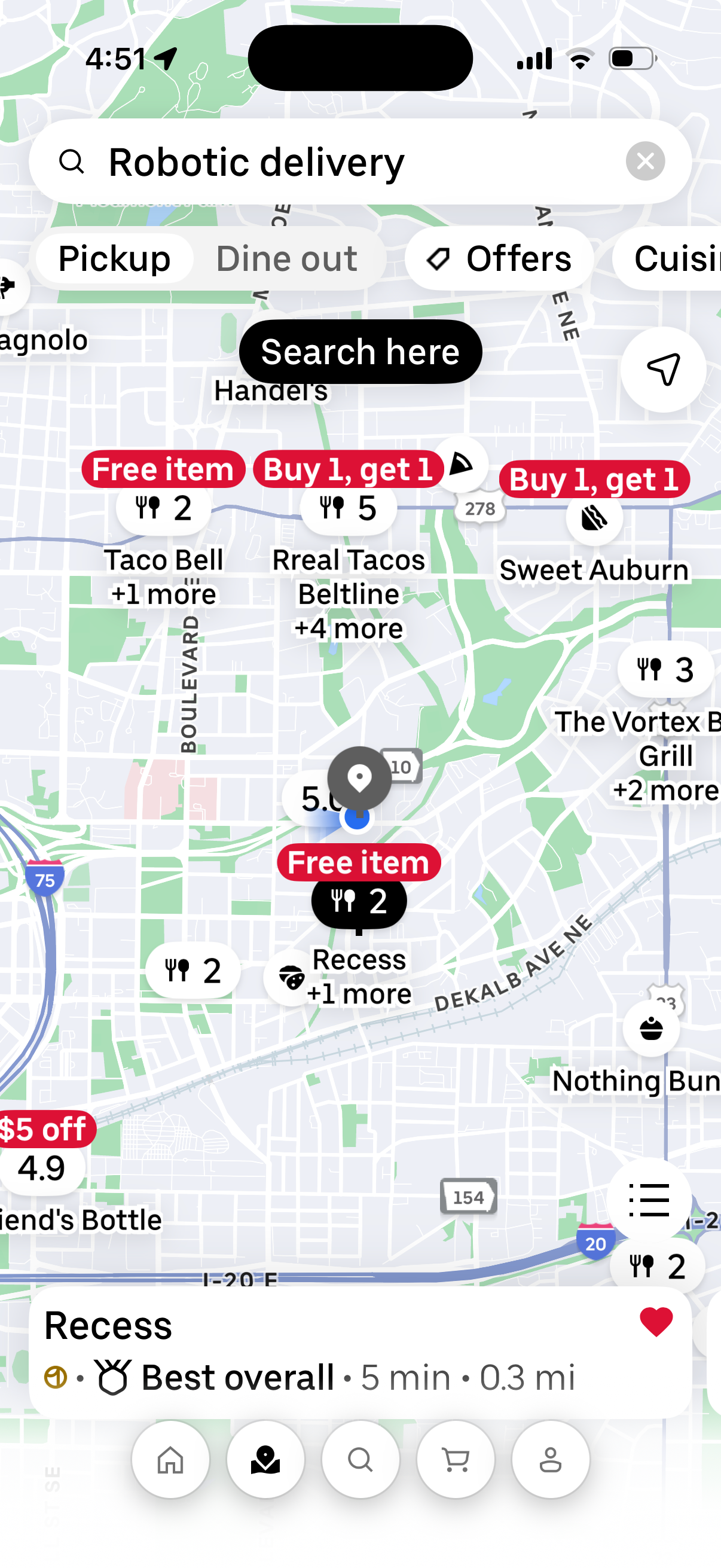
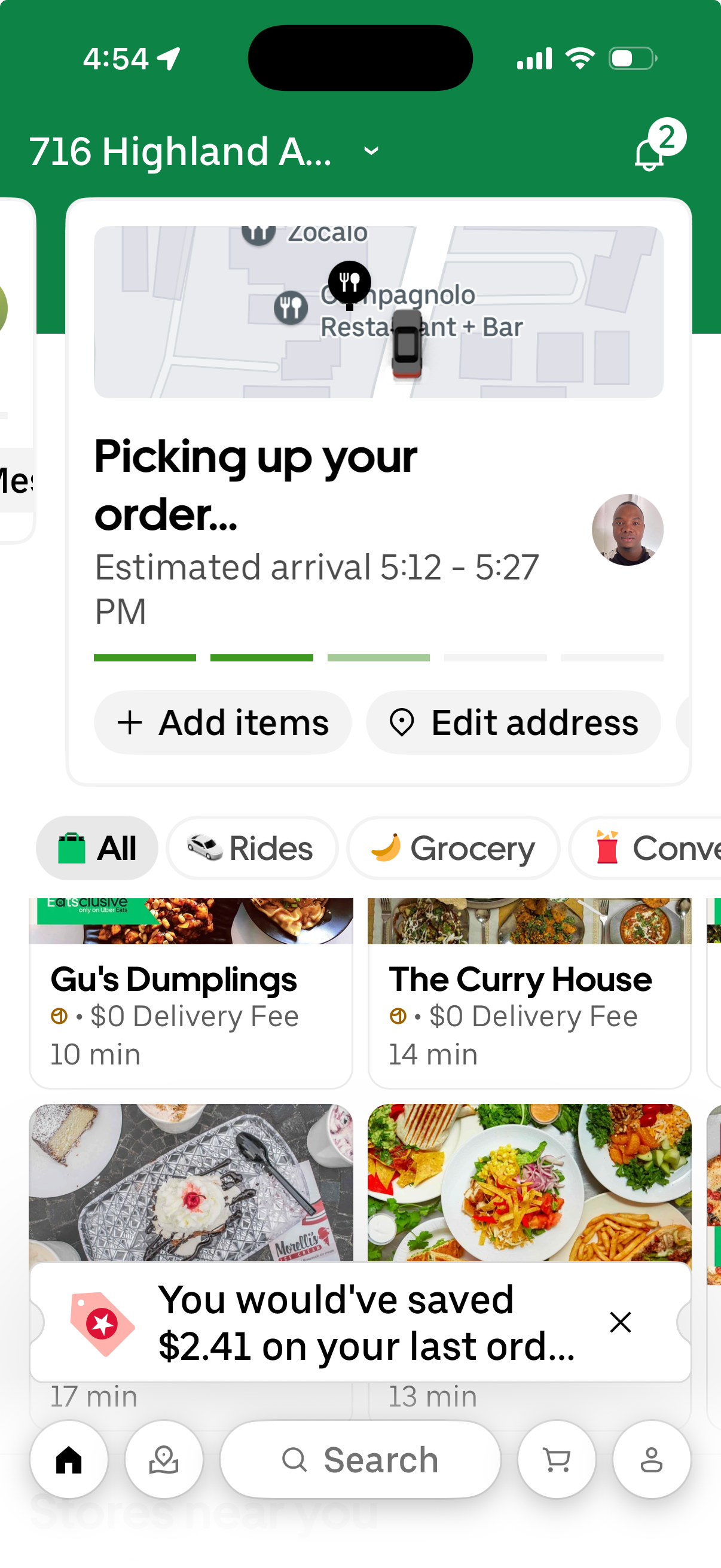
Cultural probes · Camille & Hampton
Five cultural probes documented participants' delivery experience over five days through video diaries, photo prompts and short reflective journaling. Cultural probes surfaced the quiet friction that surveys and interviews miss. It shows up as the unspoken half-second of hesitation before unlocking the robot, the small disappointments that don't make it into a survey because they're below the threshold of complaint.
Phase 03 · Synthesis
Key findings
What the data said when every method was crossed against the others. Findings cluster around four themes: a transparency gap before ordering, city & environment constraints, the emotional gap at the moment of hand-off, and a small set of silent trust signals that decide whether the user comes back.
Pre-order · the transparency gap
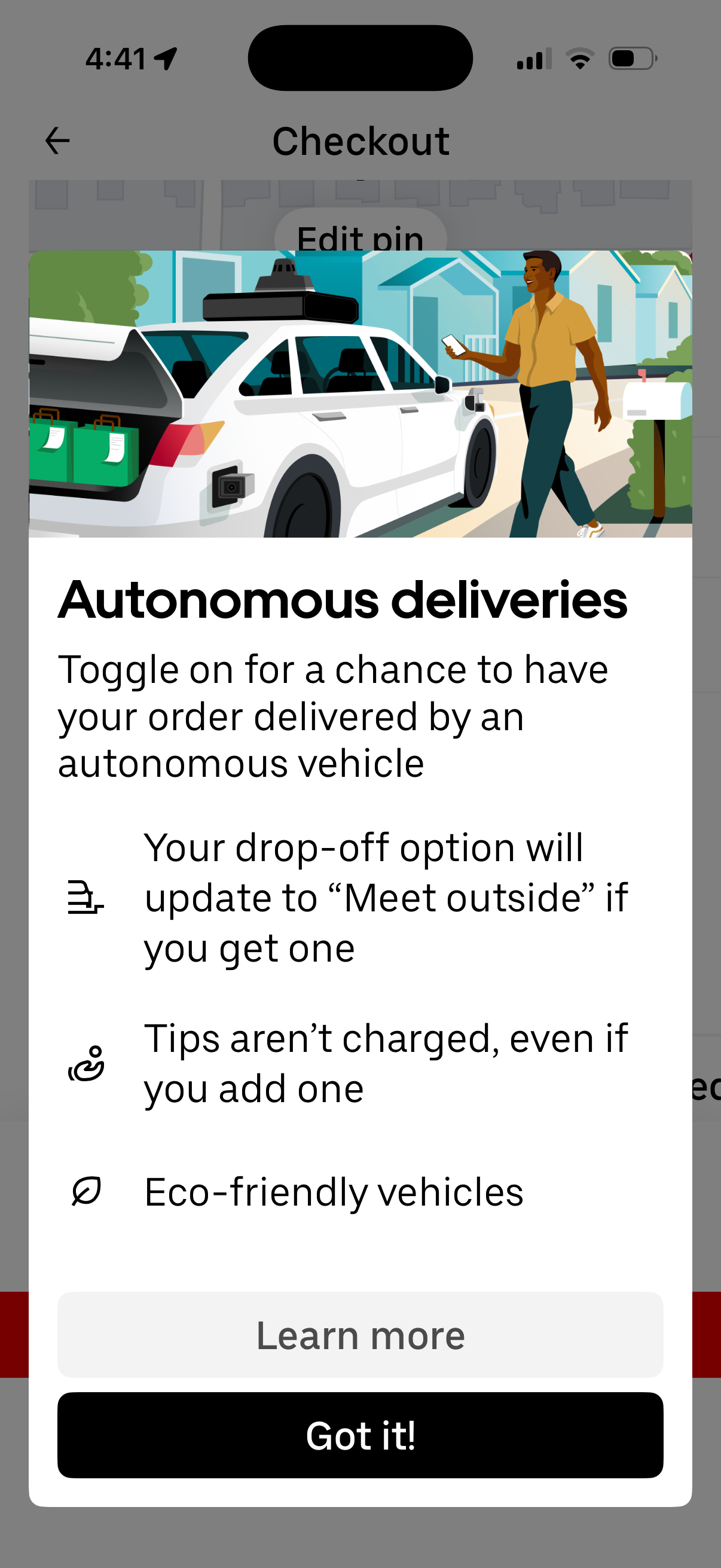
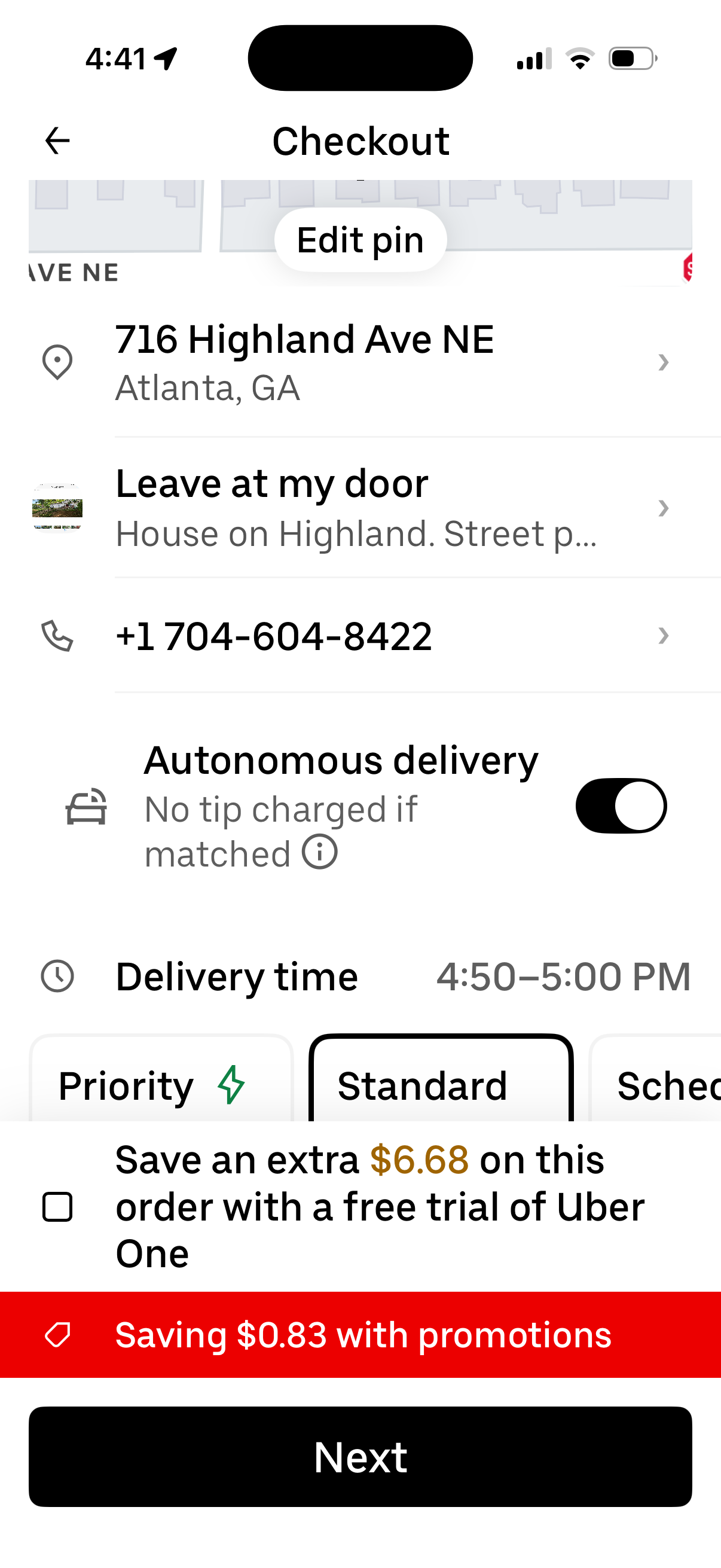
Users can't find a clear way to order with a robot.
No participant, across 11 interviews, five cultural probes and six sensory intercepts, was able to locate a clear path in the Uber Eats app to specifically request robot delivery. Some abandoned the attempt and ordered traditionally; others received robotic delivery without having asked for it. The choice exists, but it's invisible at the moment users would make it.
"I tried to find the robot option in the app and just gave up."
No transparency in the food-ordering process.
From restaurant selection to delivery type, the system feels like a black box. Participants couldn't anticipate which orders would arrive by robot, why the choice was made for them, or what would happen if something went wrong en-route. The lack of upfront context erodes trust before the robot even leaves the curb.
Robots all look alike. Branding doesn't survive the sidewalk.
Participants struggled to distinguish Uber Eats / Serve Robotics units from DoorDash, Kiwibot or Starship. The market is converging on a generic visual archetype; brand identity collapses at the moment of arrival, which is also the moment users decide if they trust the system.
"We can't choose, and we have no control."
When the format of delivery changes (robot vs. courier) without the user's awareness or input, perceived control drops. Trust follows. This is the single biggest behavioural risk in the current flow.
City & environment · the world fights back

Weather is a constraint that worries users.
Rain, snow and low visibility are not edge cases. They're the norm for half the country. Participants consistently raised concerns about food integrity and the robot's resilience. The system fails silently to the user, who only sees a delay.

The sidewalk reality.
Broken curb cuts, debris, unmapped obstacles and parked scooters are everyday blockers. Robots inherit every flaw the city has, including the ones humans route around without thinking.
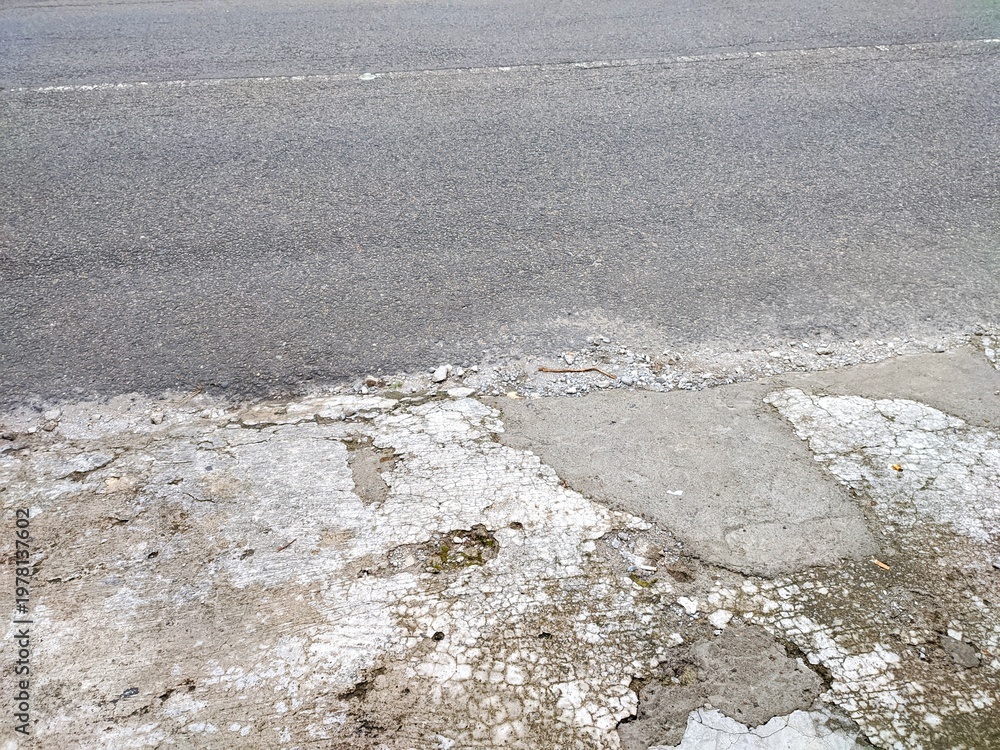
The city isn't ready.
Robotic delivery presupposes an infrastructure layer that doesn't yet exist: predictable curb access, elevator integration, electricity at staging points, network coverage past the last mile. Today the system runs on luck more than design.
Robots aren't enough. The fleet doesn't scale to demand.
Restaurants reported peak-hour ceilings: during high-demand windows the available robots can't absorb the volume, and traditional couriers re-enter the loop. Robotic delivery is currently a supplement to human delivery, not a substitute for it, and the system architecture doesn't acknowledge that.
Hand-off · the emotional gap
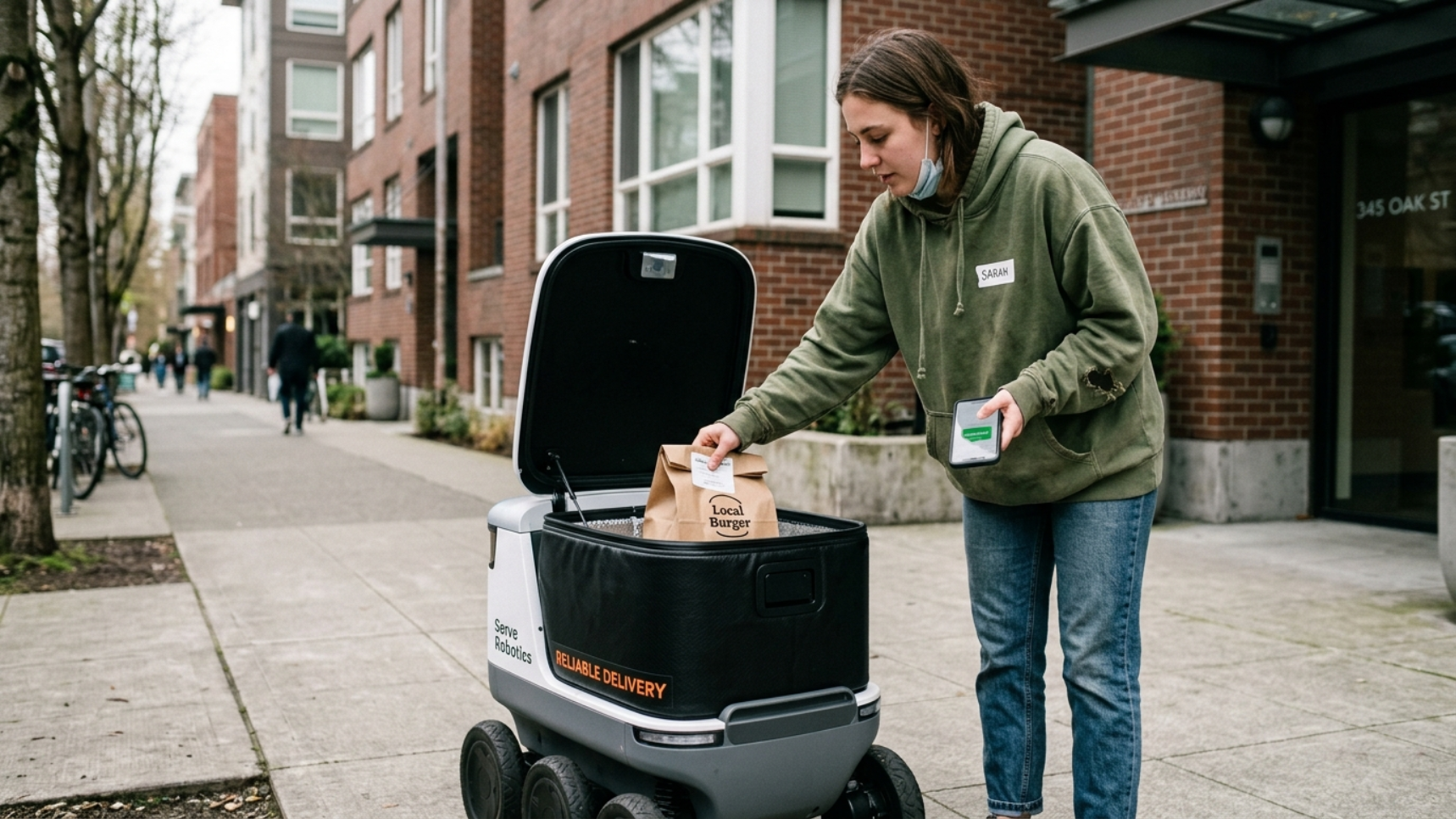
The impersonal hand-off moment.
The hand-off is where the experience either lands or evaporates. Today it evaporates: the robot opens, the user takes the bag, nothing is said, nothing is felt. The system reaches its peak emotional contact at the same instant it's most silent.
"It just opens. Nothing happens. It's done."
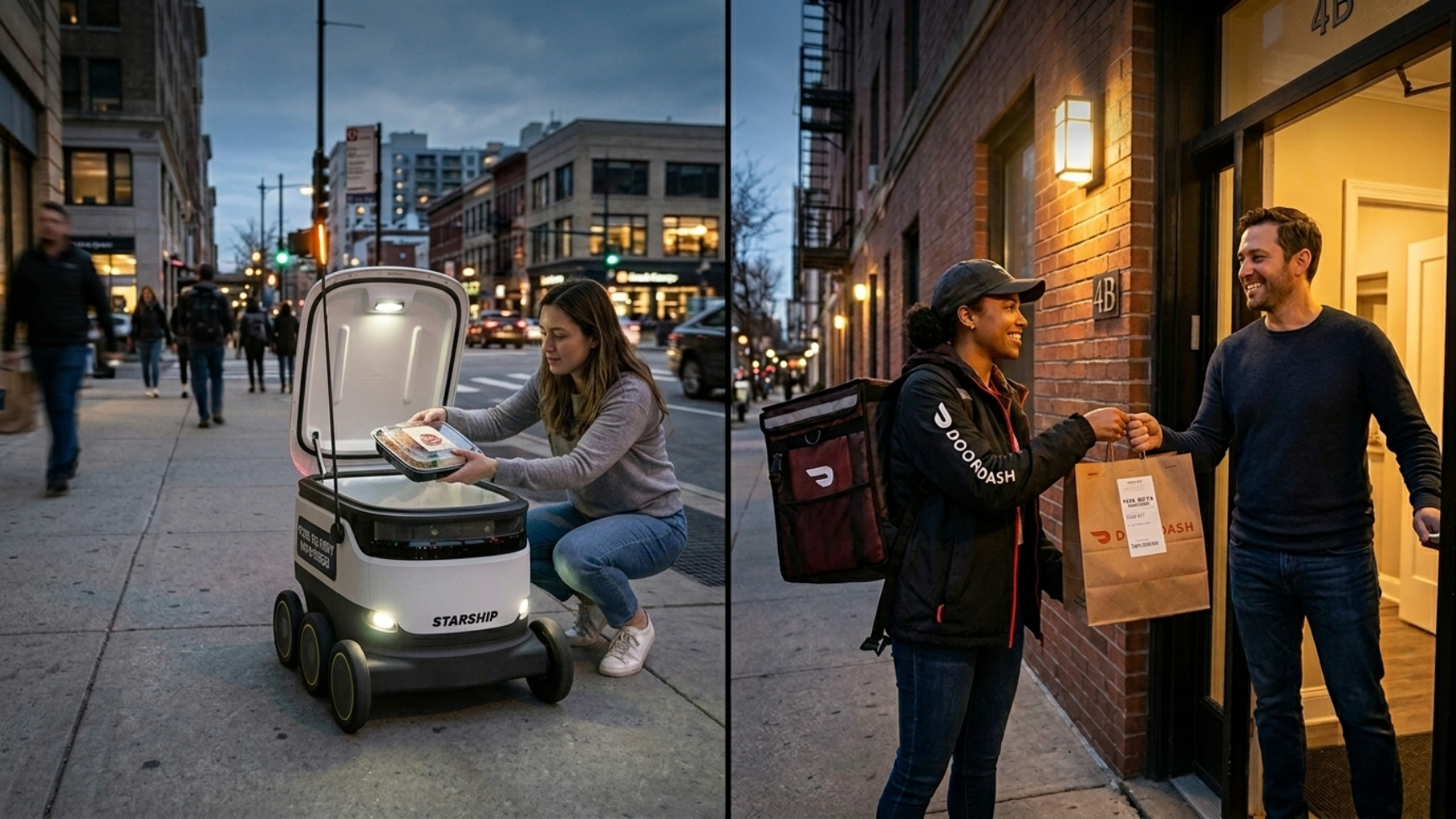
Human vs robotic, speed gained, warmth lost.
Robots are faster and more predictable, but the human delivery flow contains micro-moments of social value that the robotic flow strips away. It loses a smile, a confirmation, the sense that someone tried to make this work. The robot's neutrality reads as indifference.
Silent trust signals · what actually decides
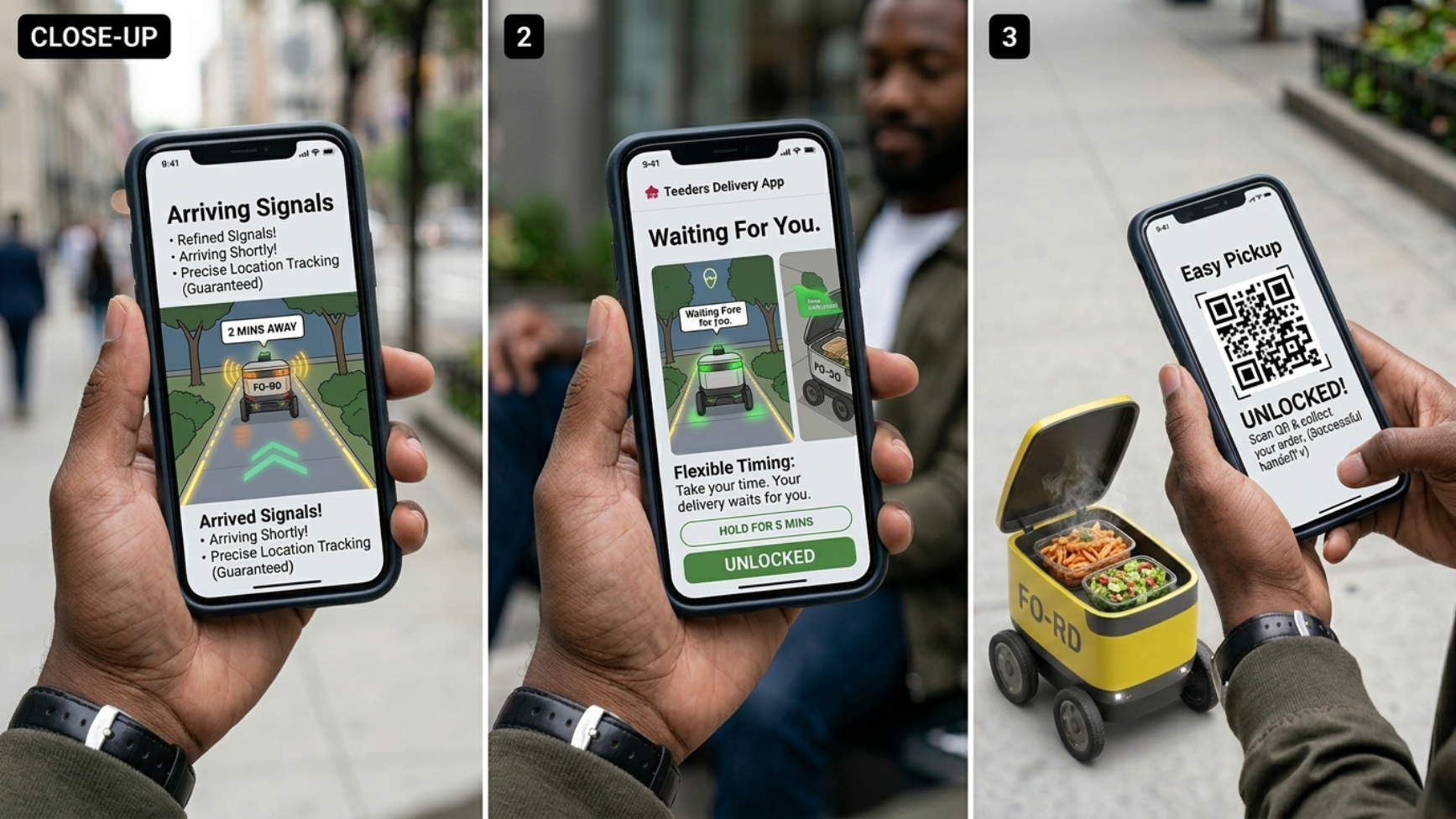
Unlock-on-arrival is the single moment that decides trust.
All previous friction is forgiven or condemned in the two-second moment the user opens the robot and sees their order. Design effort spent anywhere else has lower marginal return than design effort spent here.
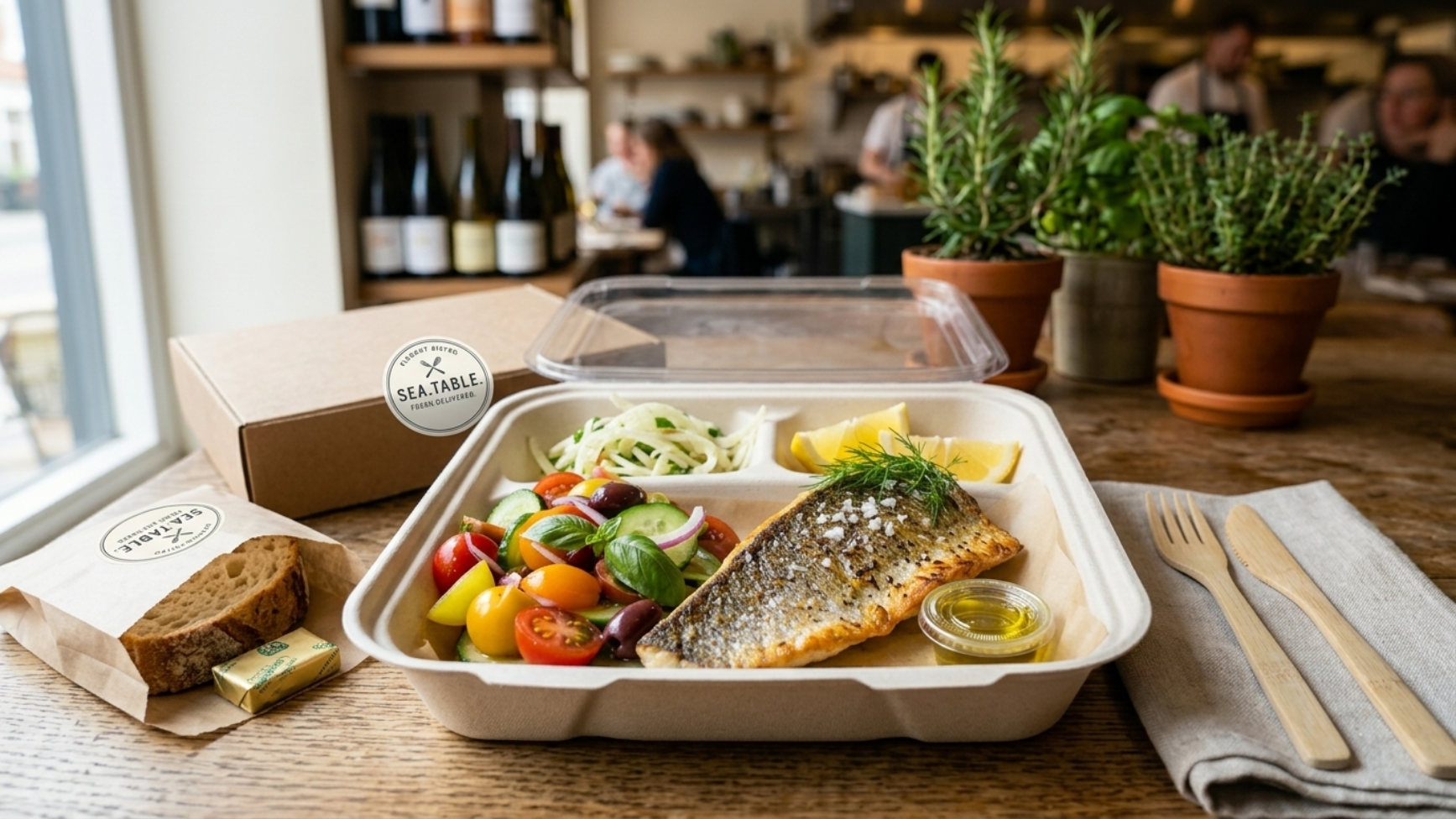
Food quality on arrival, the loudest silent signal.
When the food arrives intact and hot, users forgive almost every upstream friction. When it doesn't, no amount of friendly UI or smart notifications recovers them. The functional outcome is the trust signal that compounds across orders.
Phase 04 · Framework
What is the Lextant framework?
The Lextant framework is a generative research methodology developed by the consultancy Lextant for translating emotional user insight into design opportunity. It's a tool to move from "what users said" to "what the ideal experience must feel like", without losing the human signal in the synthesis.
We used Lextant as the spine of our analysis. After every interview, probe and intercept session, raw observations were translated into desired-experience statements grouped by emotional pillar: peace of mind, connection, confidence, and delight. Each pillar then becomes a target, a quality the design must reach.
The output is a populated framework that holds the project's entire research conclusion in a single view: what users feel today, what they should feel in the ideal, and the design moves that bridge the two.
The interactive version is the next section. Below is a static snapshot of the populated framework we delivered to the client.
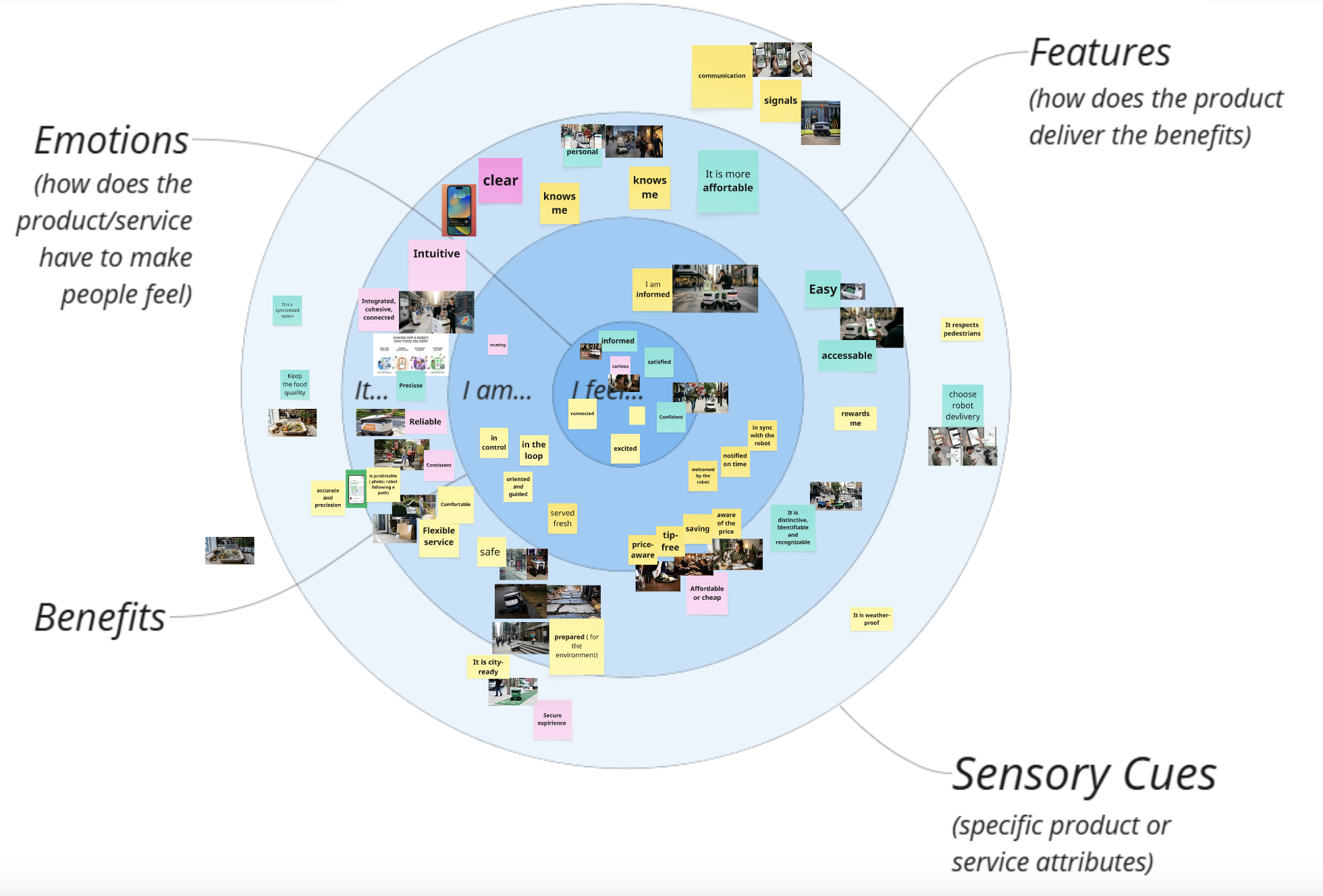 Populated · static snapshot
Phase 05 · Live preview of the Ideal Experience Framework
The framework, embedded
The Ideal Experience Framework is the synthesis output of the project, a living artefact, not a slide. It's embedded here as a real interactive preview, served directly from the live client book.
The full deliverable
Web client book
Every phase, every artefact, every quote, and the complete set of recommendations live in the web client book. Built with Claude Code, hosted on Vercel. It opens here in an overlay so you don't lose your place.
Reflection
What I'd do differently
What surprised me most, going back through the synthesis, is how binary trust turned out to be. I expected the emotional work to be distributed across the whole delivery journey; instead it collapses into the two seconds of unlock-on-arrival, and almost nothing else moves the needle as much. If I ran this again, I'd weight the fieldwork toward bad-weather conditions specifically, since rain, snow and low visibility came up constantly in interviews as a trust-breaker, but our own sensory intercepts on the Georgia Tech campus happened in ordinary weather. That's a real gap between what we heard and what we directly observed. Leading the whole engagement also taught me that shipping an eighty-page PDF would have buried these two findings, unlock-on-arrival and the weather blind spot, on some page nobody reached. That's exactly why I pushed for the web client book instead: the findings that matter most needed to be impossible to scroll past.