Material Innovation
Four Technologies That Define VELOQUE
All four technologies come from the same place: research with more than 100 cyclists. Interviews and shadowing sessions were categorised into recurring patterns, the patterns became design principles, and the principles became construction.
Luxury cycling garments fail when they prioritise aesthetics over biomechanics. VELOQUE's design brief demanded both, solving real performance problems with materials and construction methods that also meet the tactile expectations of luxury apparel.
Derived from research with 100+ cyclists · patterns and principles → technology
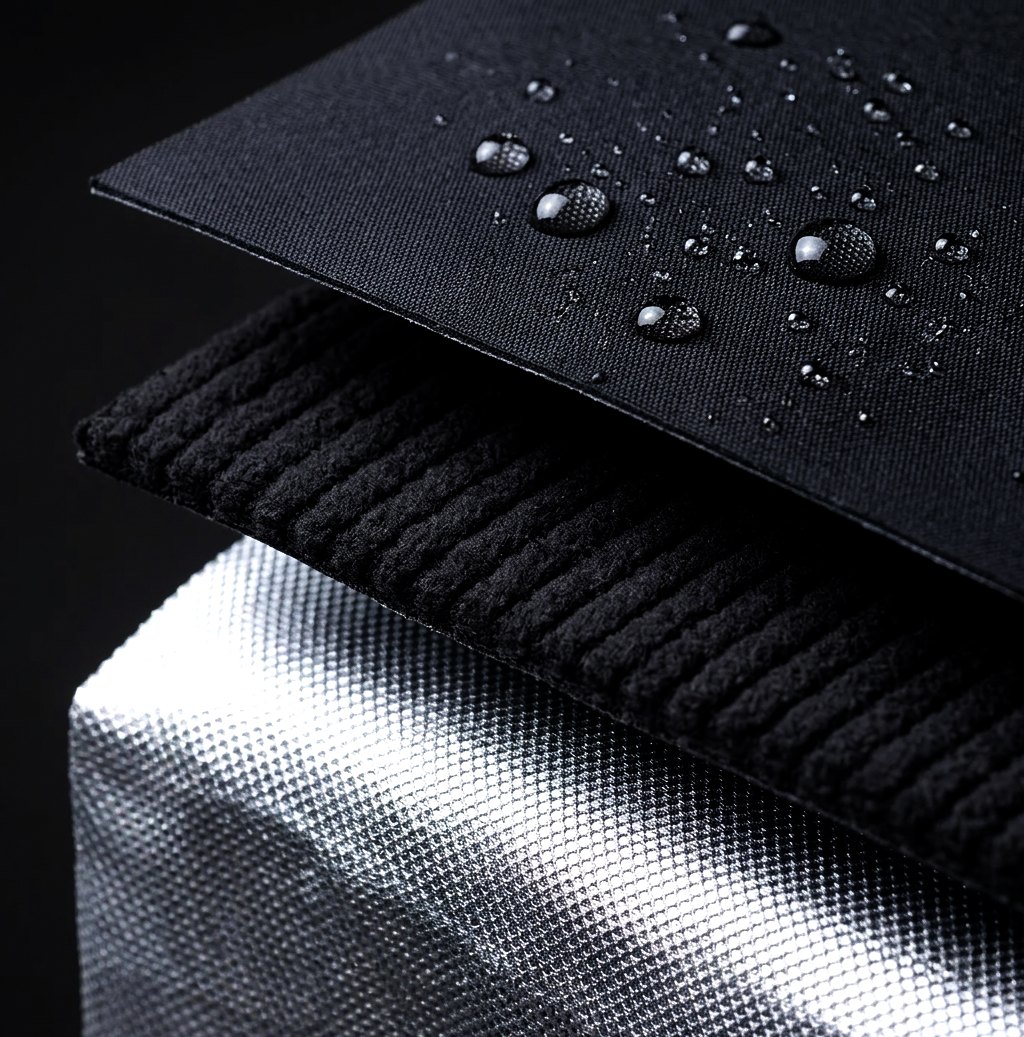
LAYERS TECH
Problem
Single-fabric cycling jerseys fail to manage moisture stratification, sweat accumulates at the skin layer, increasing drag and thermal discomfort during long efforts.
Solution
A multi-layer bonded fabric system that separates moisture transport from structural fabric, inner layer wicks, outer layer breathes, structural layer maintains silhouette under aerodynamic load.
System
Every layer is designed to work with the others. Each garment takes the rest of the range as its base, so combinations stay adaptable, compatible and easy to carry on the bike.
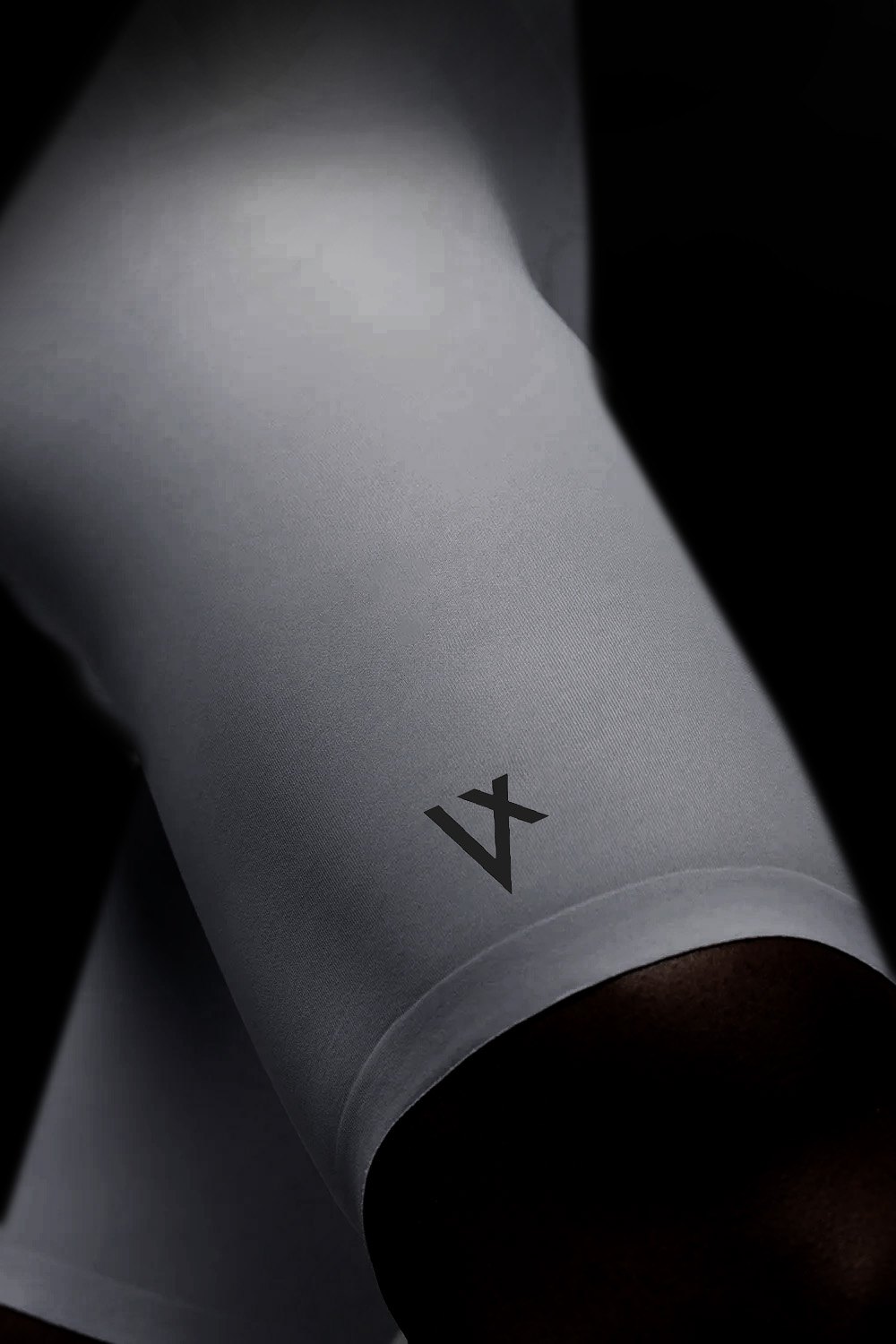
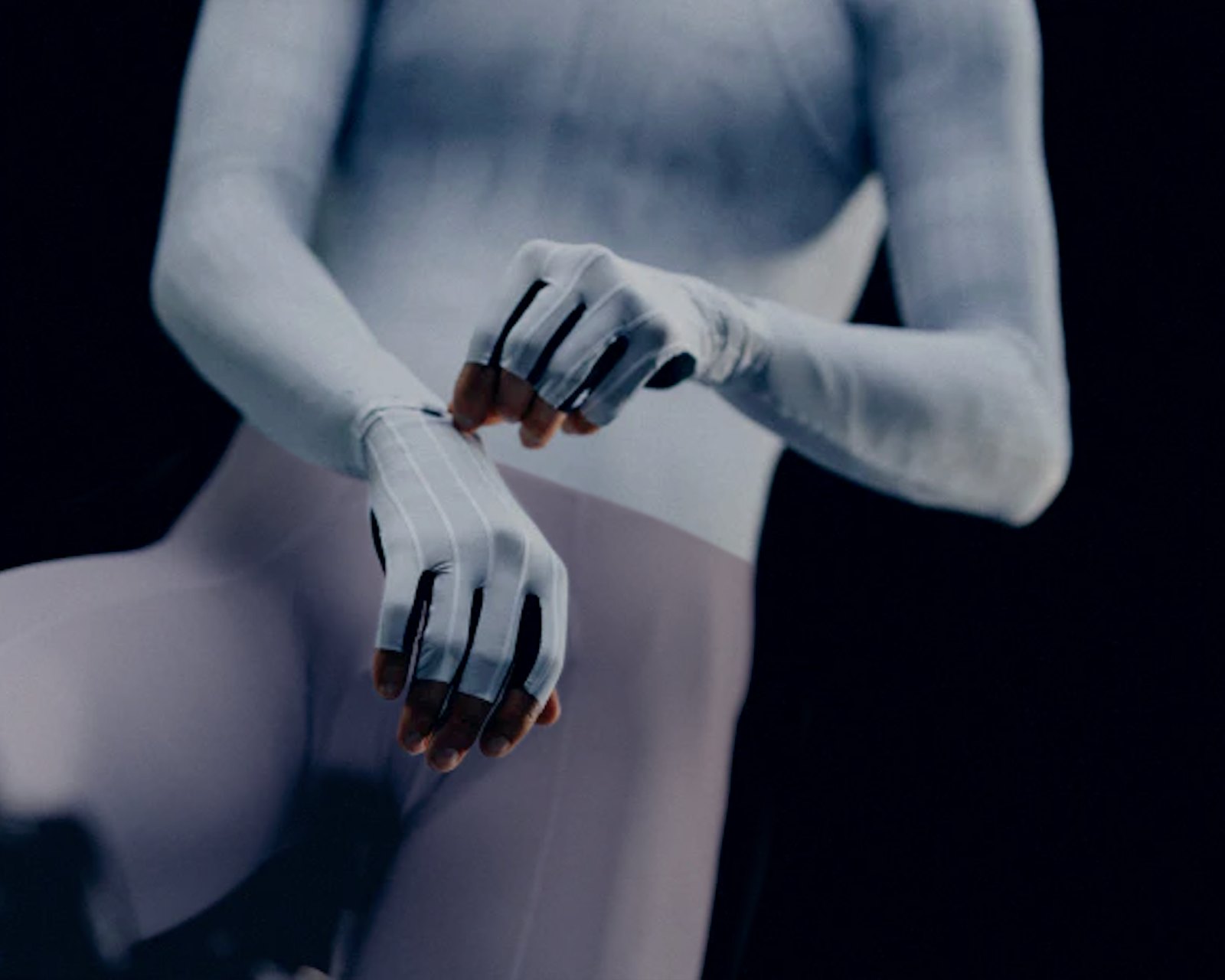
SILICONE-FREE CONSTRUCTION
Problem
Standard silicone leg grippers cause pressure marks and skin irritation on long rides, a known pain point for amateur and professional cyclists alike.
Solution
Anatomically cut fabric with a precision-engineered hem geometry replaces silicone entirely. The gripper effect is achieved through compression patterning alone, no foreign material at the leg interface.
SEAMLESS CONSTRUCTION
Problem
Sewn seams create friction points under saddle contact zones and at shoulder-to-sleeve junctions, causing chafe on rides over three hours.
Solution
Critical contact zones use flatlock seamless knit construction. The result is a smooth internal surface at every high-friction point while maintaining structural integrity of the outer silhouette.
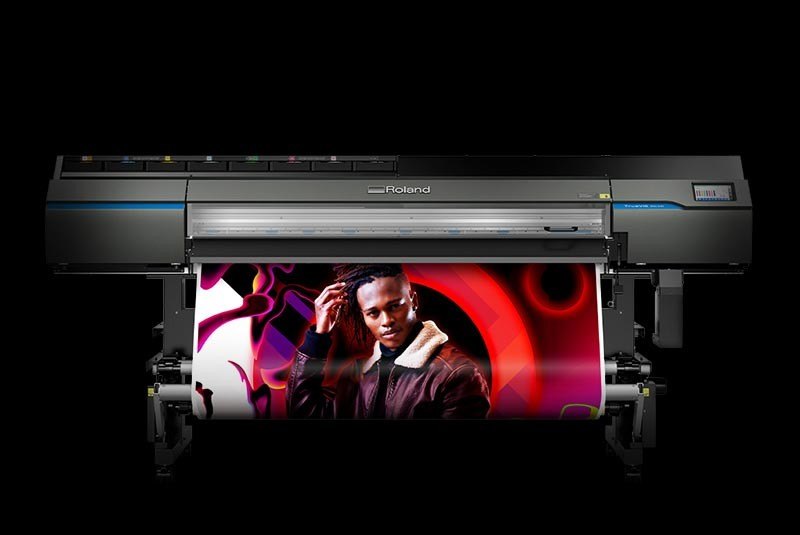
ECO-SOLVENT PRINTING (low-impact process)
Problem
Conventional sublimation printing introduces plastisol compounds that stiffen fabric, reduce stretch recovery, and degrade after repeated high-temperature washing cycles.
Solution
Eco-solvent water-based inks applied at low temperature preserve fabric elasticity and stretch recovery across 200+ wash cycles. The print integrates with the knit structure rather than coating it.
Product Range
27 Models Across Two Collections
The VELOQUE range is organised into two worlds: Limited Drops, seasonal, numbered pieces with unique colourways, and Essentials, the permanent technical foundation of the wardrobe. Each model undergoes the same construction standard regardless of collection tier.
Scope of the industrial design workstream
Product Strategy
The Range
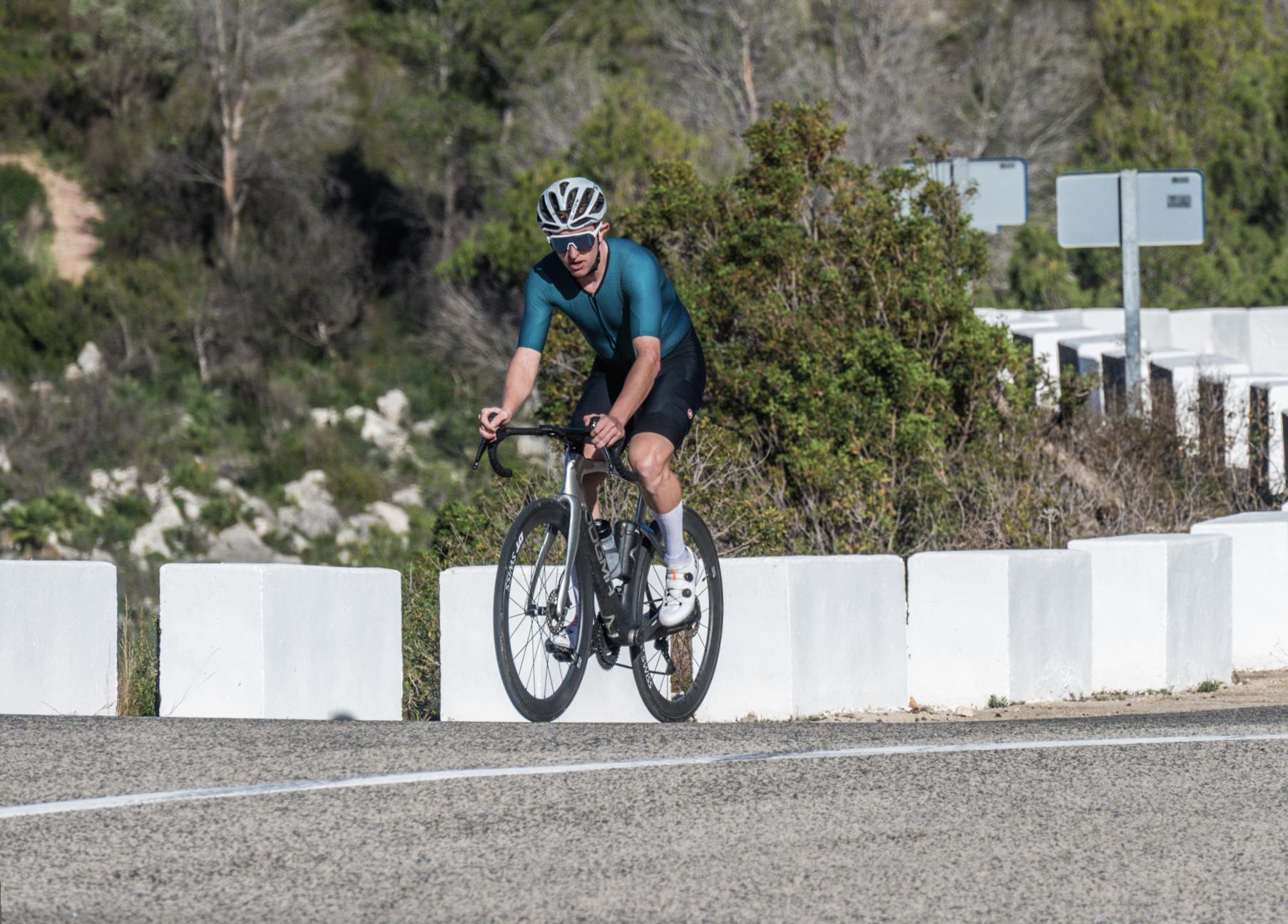
The range is built in two halves, and each half answers a different thing riders told us. Essentials stay permanent and neutral, because that is how a closet is actually used. Limited Drops carry the colour and the new technology, and they arrive in waves.
Every model in it answers a solution developed from user needs surfaced in the research: all of them extracted from the interviews and surveys, then turned into a line, a cut or a colour rule.
Every line traces to a research need · Interviews and surveys, 100+ cyclists
01 / Essentials
The base of the closet.
Research pointed the same way across every persona. Riders want their base pieces in colours that combine with every kit, and most had already bought a coloured piece they could never match. Colour also fades in the sun, and a faded piece leaves the rotation early.
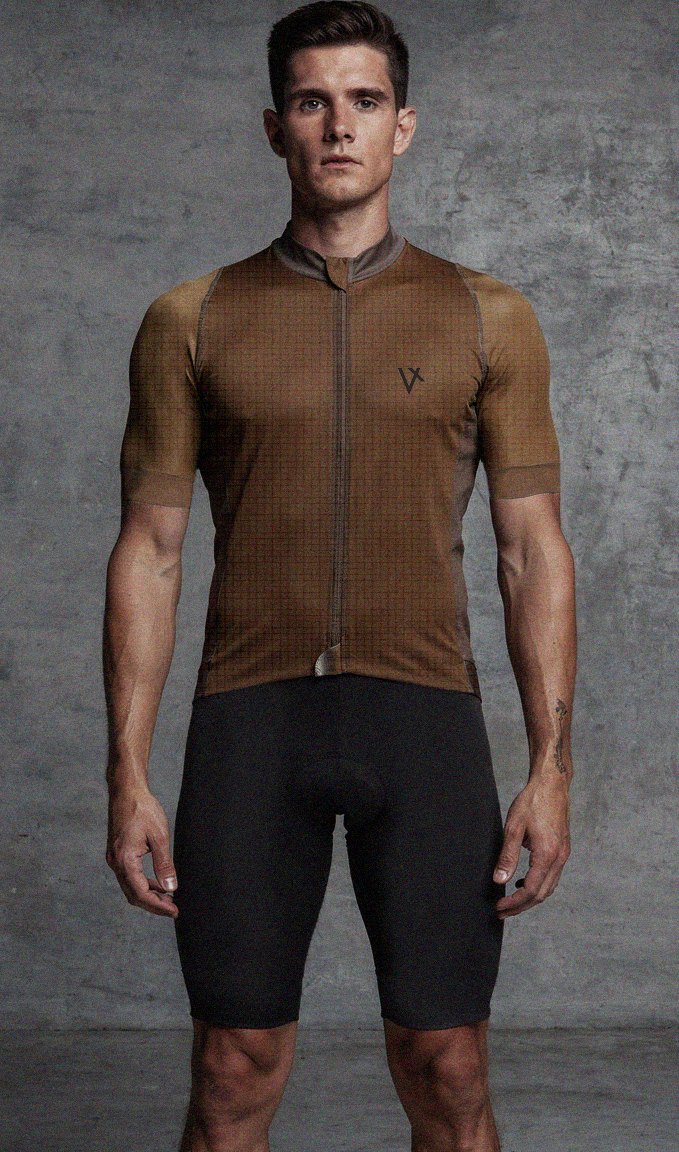
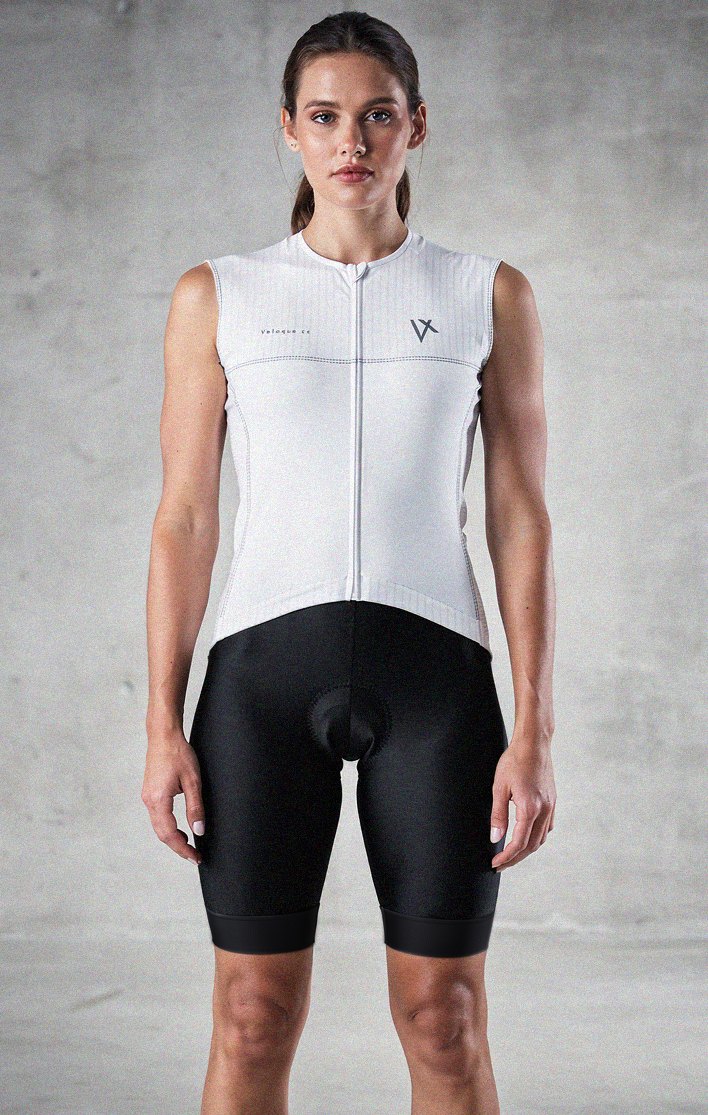
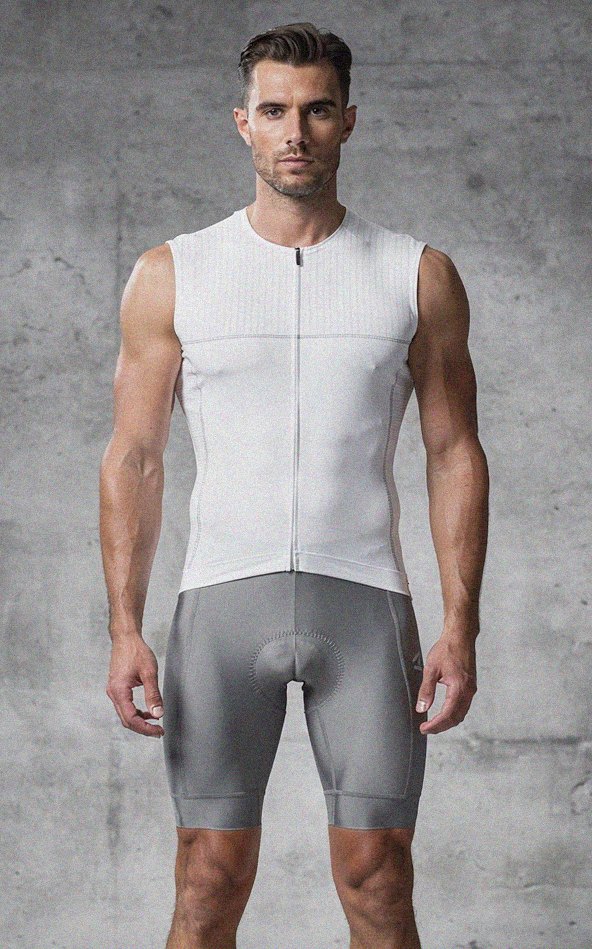
So Essentials is restricted to three options: graphite black, grey and white. It covers the bib shorts and the peripherals, from arm warmers and balaclavas to gloves, overshoes, windbreakers and rain jackets. The bib shorts split into three lines by use: Comfort-Endurance, Balance and High Performance.
02 / Limited Drops
Where colour lives.
Skinsuits and upper-body pieces carry the season. Every drop brings new limited colours and new adaptations, and the technology moves forward with it.
The architecture underneath stays fixed: five jersey and cold-weather lines, Endurance, Gravel-MTB, Aero, Performance and Climber, plus two skinsuit lines, Performance and Aero. The lines hold their identity from drop to drop, so the colour is the variable and the fit is not.
-
VELOQUE Range
-
Essentials
-
Bib shorts
Comfort-Endurance The Sages · Engaged
Balance Progressives
High Performance Enthusiasts
-
Peripherals
Arm warmers
Balaclavas
Gloves
Overshoes
Windbreakers
Rain jackets
-
-
Limited Drops
-
Jerseys & tops
Endurance The Sages · Engaged
Gravel-MTB Progressives
Aero Enthusiasts
Performance Enthusiasts · Progressives
Climber Progressives
-
Skinsuits
Performance Enthusiasts
Aero Enthusiasts
-
-
The complete range. Mono tags name the persona each line was drawn for.
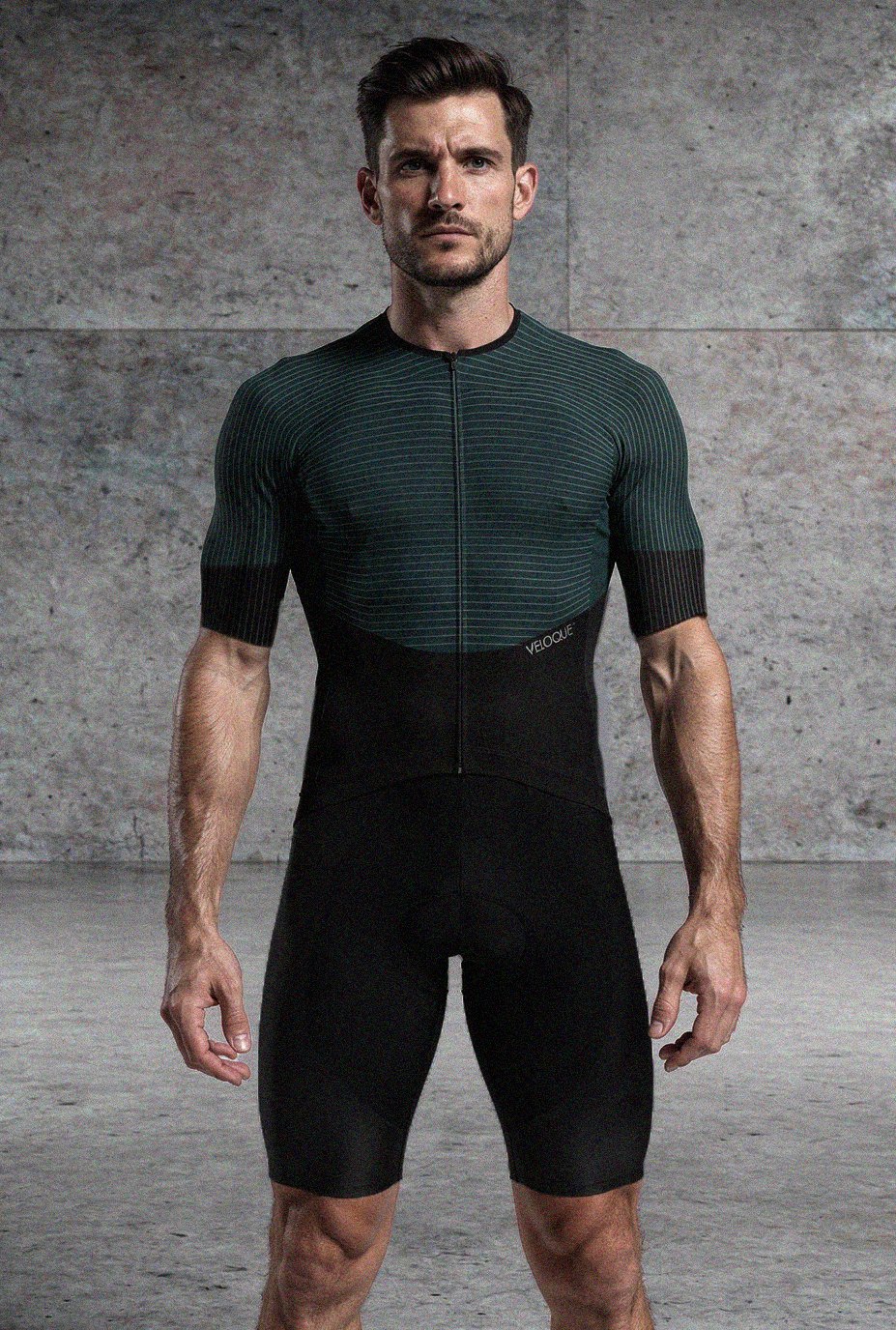
Garments from the range · Studio renders
Development Process
From Prototype to Production
Every garment passed through a structured development pipeline before sampling. Technical decisions were validated against rider feedback at each stage.
Step 01
Technical Brief & Material Selection
Performance requirements documented per garment category. Fabric candidates evaluated against stretch recovery, moisture management, weight, and tactile quality benchmarks.
Step 02
Pattern Engineering
Anatomical patterns developed in collaboration with technical garment engineers. Aerodynamic panel positioning mapped against wind tunnel data from comparable race-cut designs.
Step 03
Prototype Sampling
First samples produced in base fabric. Fit evaluation across three body types. Critical contact zones assessed for pressure distribution and chafe risk.
Step 04
On-Bike Testing
Prototypes worn on rides of 2–6 hours. Thermal regulation, moisture management, and gripper performance evaluated in real conditions across varying temperatures.
Step 05
Print & Colourway Validation
Eco-solvent print application tested across three wash cycles before sign-off. Colourway accuracy validated against Pantone standards and brand book specifications.
Step 06
Production Sign-Off
Final sample approval and production specifications locked. Quality control checkpoints defined for each manufacturing run.
Handover
Production Preparation & Tech Packs
The range is currently scaling towards production. The search is for a manufacturer that lets volume grow while holding the construction standard and avoiding unnecessary fabric waste.
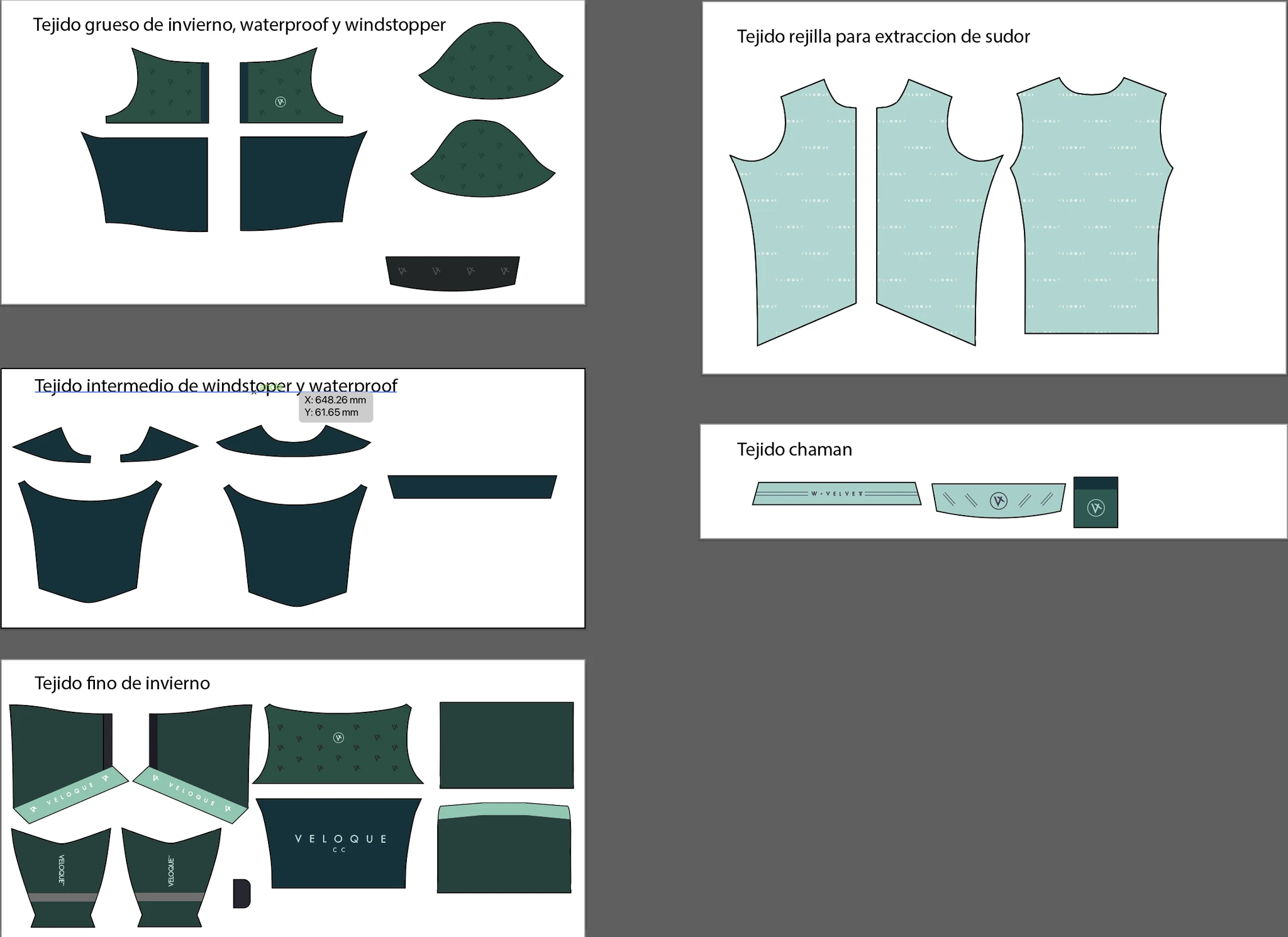
Every garment travels with its own technical pack: graded measurements, material references, construction and seam detail, trims, and print placement, documented in work sheets organised by fabric type and handed to the manufacturer as the single source of truth.
Current Status
Production Pipeline
VELOQUE is currently in the advanced sampling stage. Manufacturing is sequenced so the Limited Drop validates the construction standard before the permanent range enters production, and the sequence runs as a loop: iteration sits between every stage and closes the circle after the drop.
Stage 01 · Now
Advanced Sampling
Final samples in review across the range. Construction standard, fit and print behaviour confirmed on production fabric before any tooling is committed.
Stage 02 · Ongoing
Iteration
Feedback from the samples and from the riders wearing them is folded back into the patterns and the specs. Fit, seam placement and fabric weights are revised until the standard holds on production fabric.
Stage 03 · Next
First Limited Drop, 6 SKUs
Jersey, bib shorts, socks in two colourways, cap and arm warmers are scheduled for production sign-off as the opening drop.
Stage 04 · Following
Essentials Line
The permanent technical foundation follows in the subsequent manufacturing window, once the drop has validated the production pipeline end to end.
Stage 05 · Ongoing
Iteration for the Next Drop
What the drop teaches, on sizing, on print wear, on which pieces riders reach for first, is documented and carried into the brief for the next collection. The cycle restarts at sampling.
The pipeline is a cycle: every drop returns to sampling with what it learned
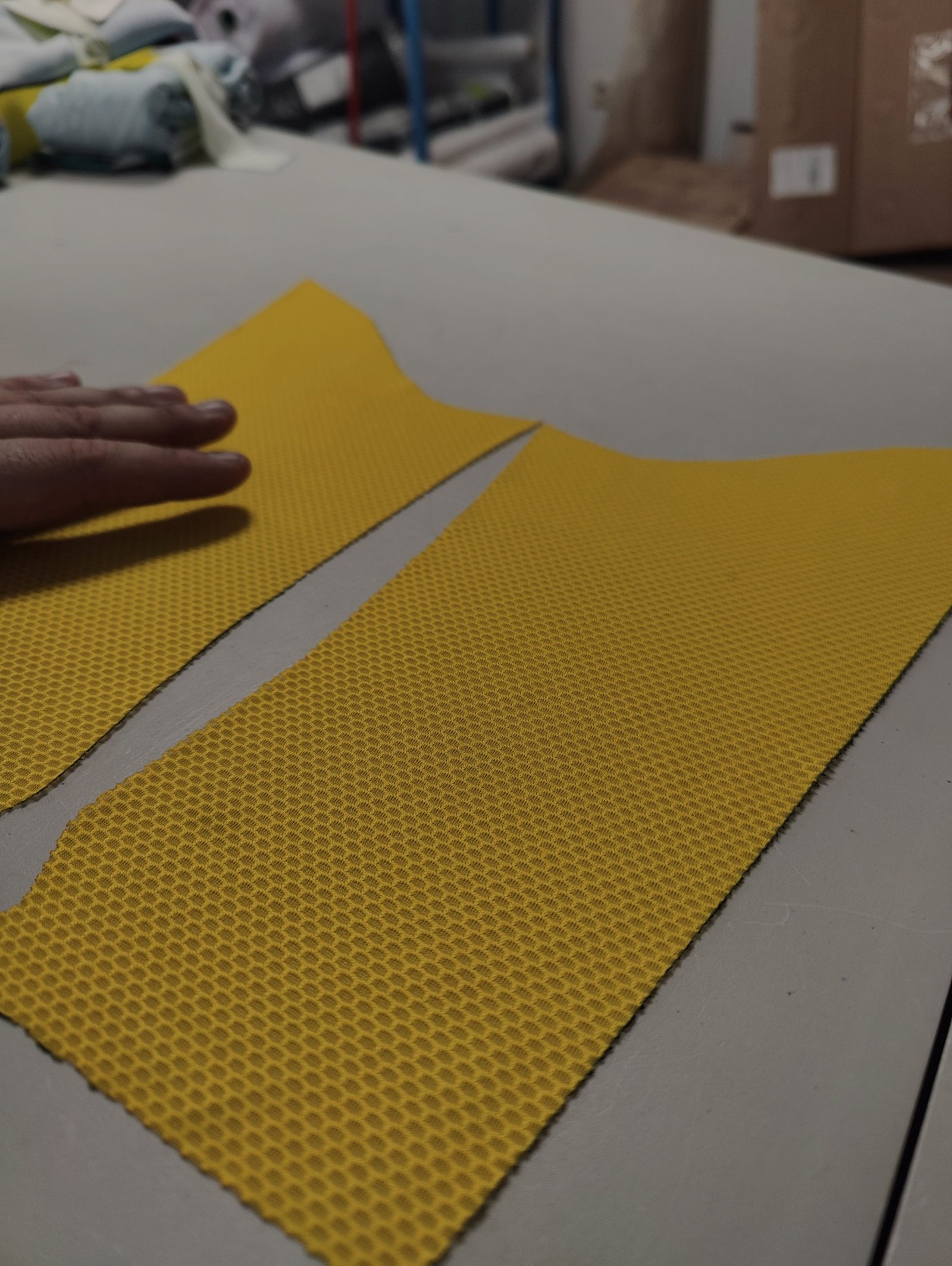
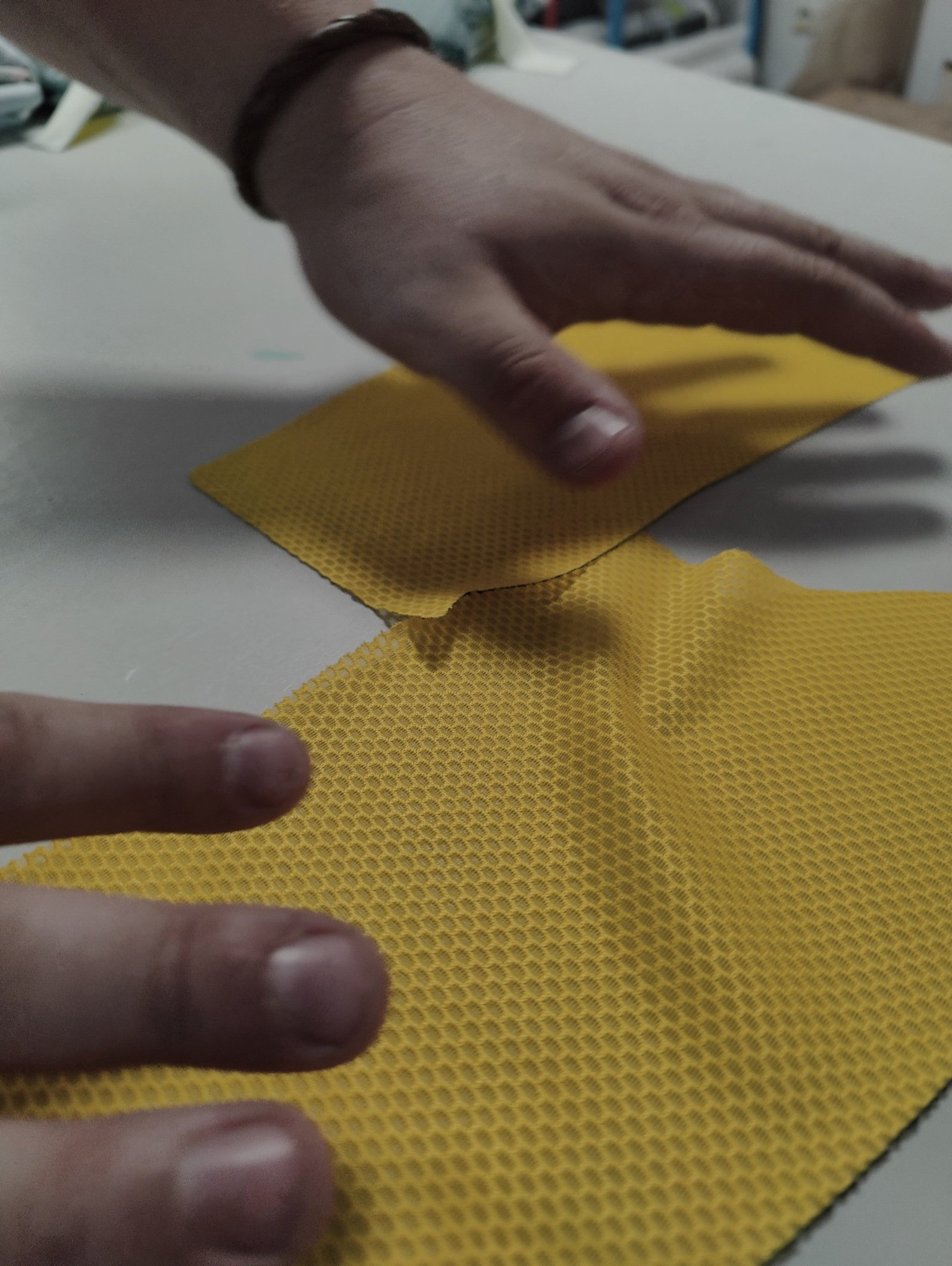
At the workshop · Cut panels on the production table
Beyond the garment
The café is the club's living room
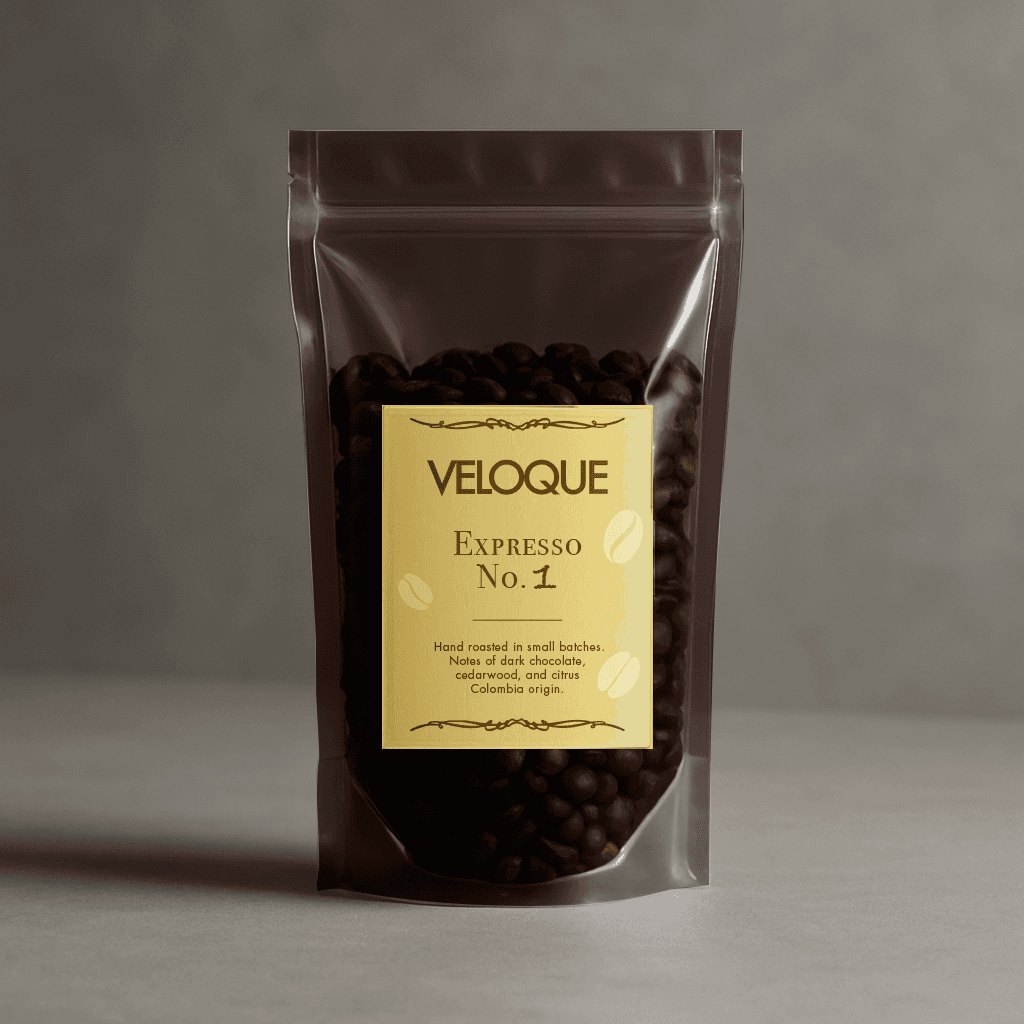
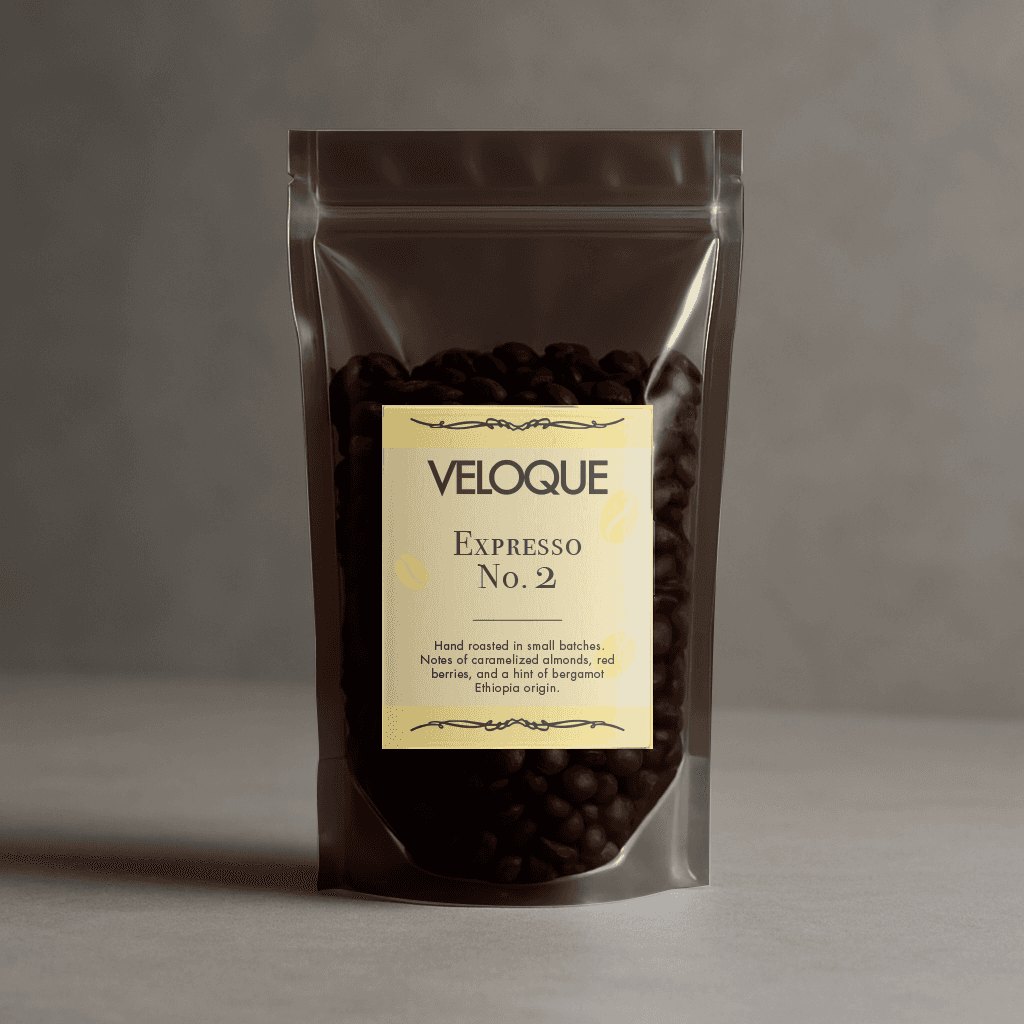
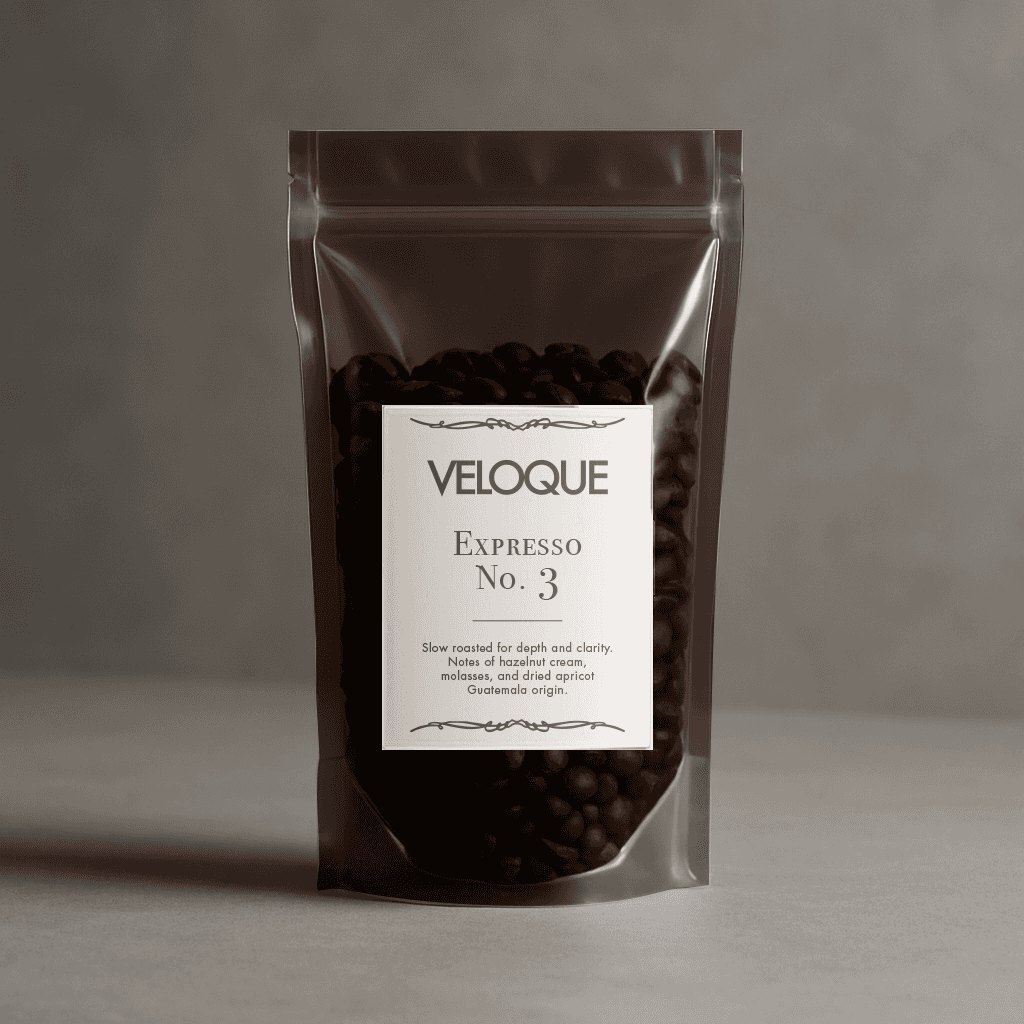
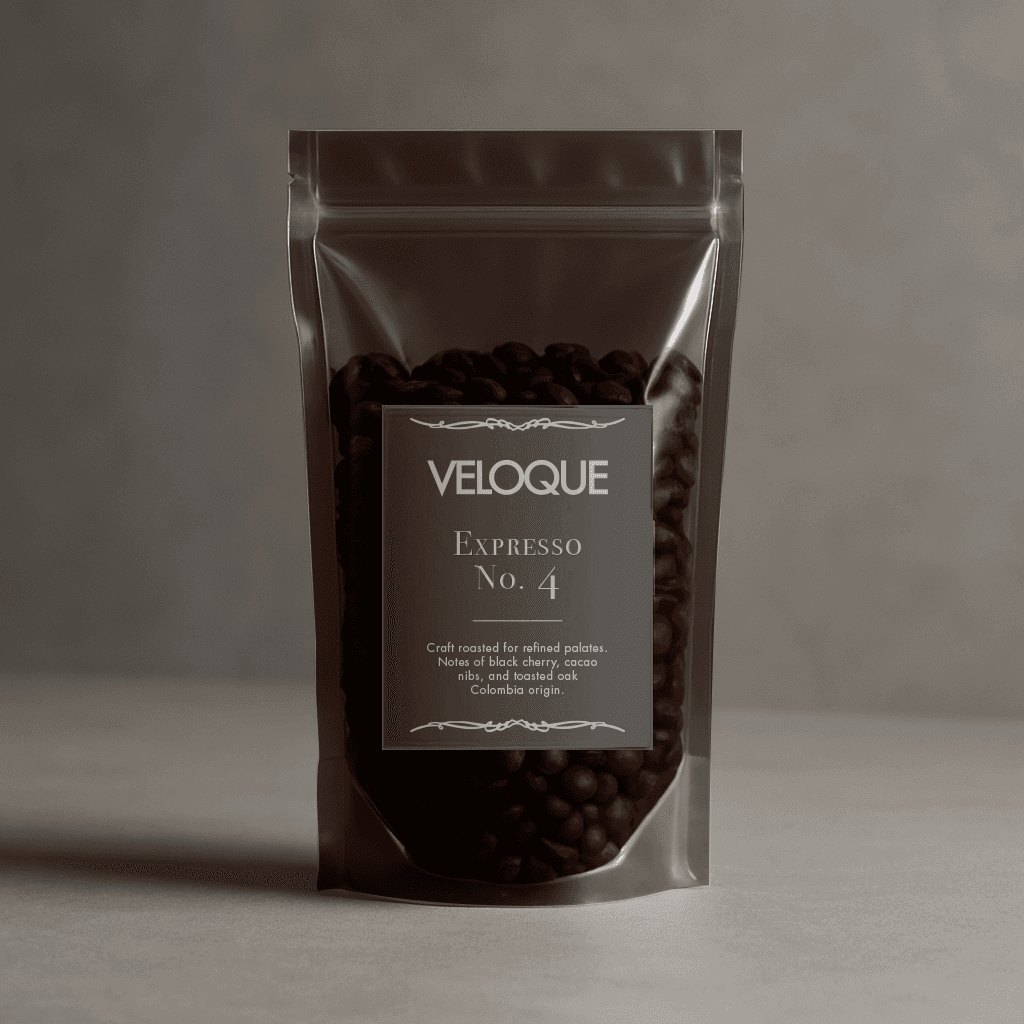
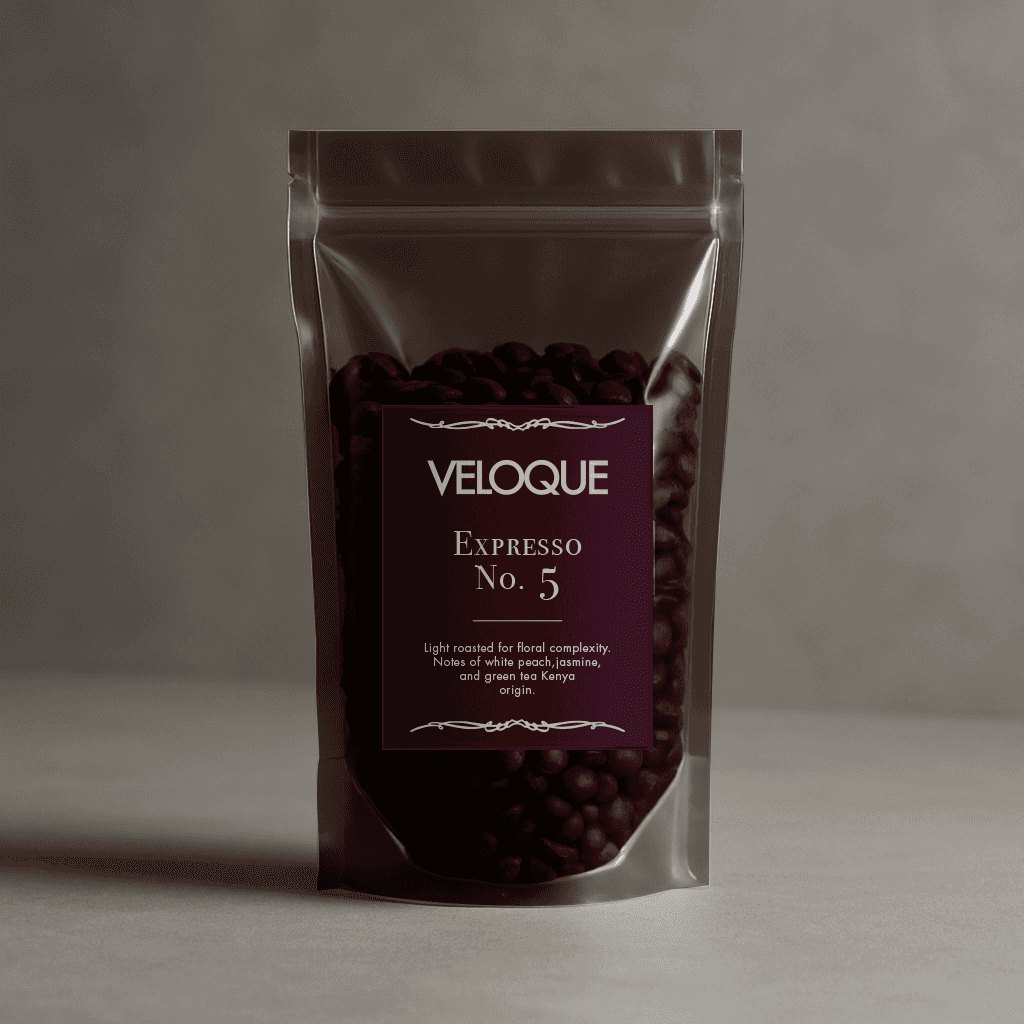
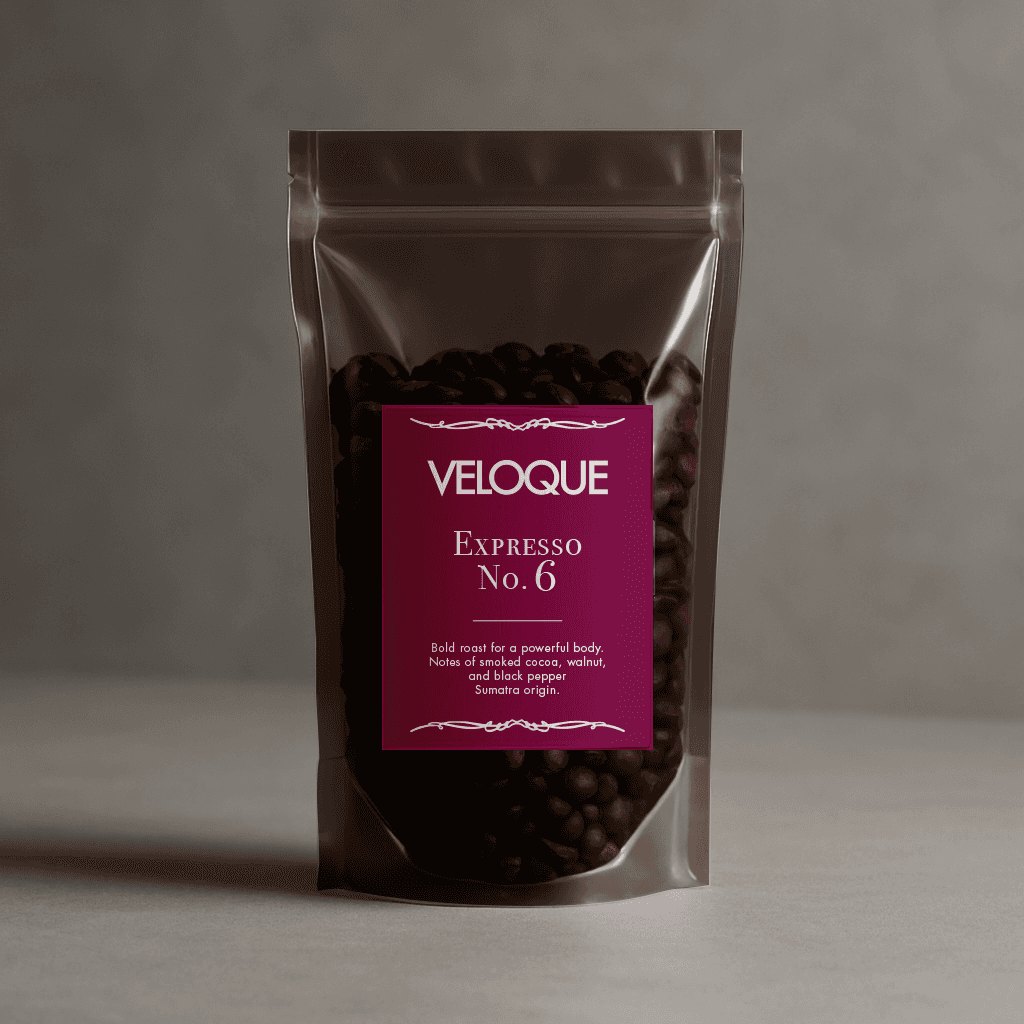
The coffee stop is where a ride becomes a social event. In cycling culture, and increasingly in society at large, the café has turned into a key social ritual: the place where the group forms, the stories are told and the brand is seen at rest.
That is why VELOQUE allies with specialty producers to launch its own coffee line, and why the range reaches the machine itself: a La Marzocco × VELOQUE edition for the club's cafés and partner venues. Same numbering, same labels, same restraint. The maison is something you live, and the espresso is part of the kit.